
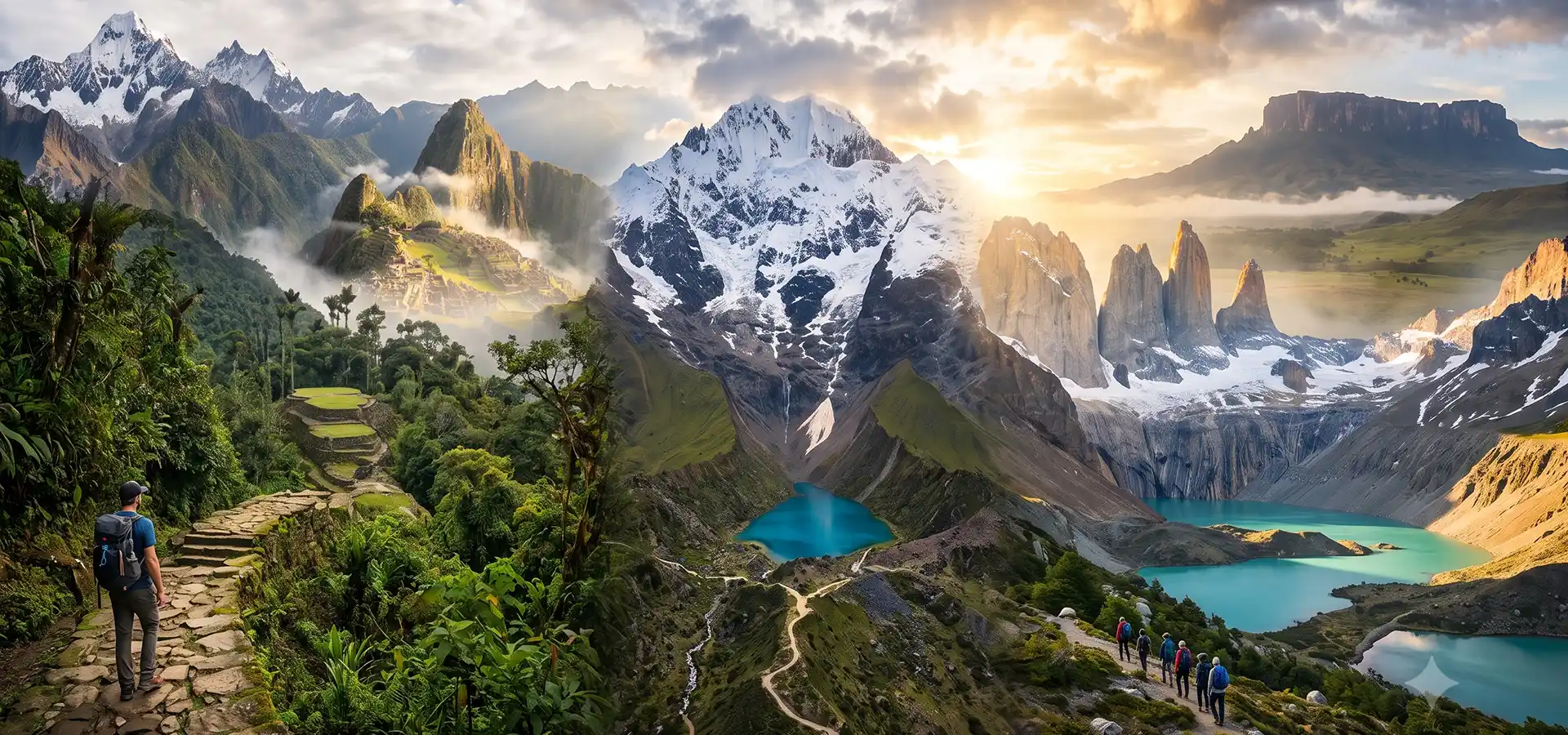
Discover the 6 best trekking routes in South America and experience an unforgettable adventure among towering mountains, ancient trails, glaciers, volcanoes, and tropical rainforests. Explore some of the most outstanding trails in countries like Colombia, Venezuela, Brazil, Peru, Chile, and Argentina.
Discover the main attractions of these routes, designed for trekking enthusiasts and tailored to different levels of difficulty. Journey from the Precambrian plateaus that inspired legends of lost worlds, through jungles and stone-paved trails built by the Inca Empire, to the imposing granite spires of Patagonia.
In this guide, we present six must-do trekking routes on the continent, where high mountains, archaeological wealth, and adventure combine to offer unique experiences in some of South America’s most spectacular landscapes.
Trekking in South America: difficulty, duration, and best time to travel
| Route | Country | Duration | Difficulty | Maximum Altitude | Best Season |
|---|---|---|---|---|---|
| Inca Trail to Machu Picchu | Perú | 4 days | Moderate – High | 4.215 msnm | May – October |
| Lost City | Colombia | 4 – 5 days | Moderate – High | 1.200 msnm | December – April |
| Trek Salkantay | Perú | 4 – 5 days | High | 4.650 msnm | May – October |
| Circuito W Torres del Paine | Chile | 4 – 5 days | Media | 1.200 msnm | November – March |
| The Chaltén | Argentina | 1-day routes | Easy- Media | 1.170 msnm | November – April |
| Monte Roraima | Venezuela / Brasil / Guyana | 6 – 8 days | High | 2.810 msnm | November – April |
1. Inca Trail to Machu Picchu (Peru)
The Inca Trail is much more than a hiking trail; it is a journey through the history and legacy of the Inca Empire. Over approximately 43 kilometers, travelers follow the Qhapaq Ñan, an extensive network of roads that connected much of South America during the Inca era. This journey stands out for the variety of landscapes it offers: from Andean valleys and high mountain passes to the cloud forests that signal the approach to the Amazon.
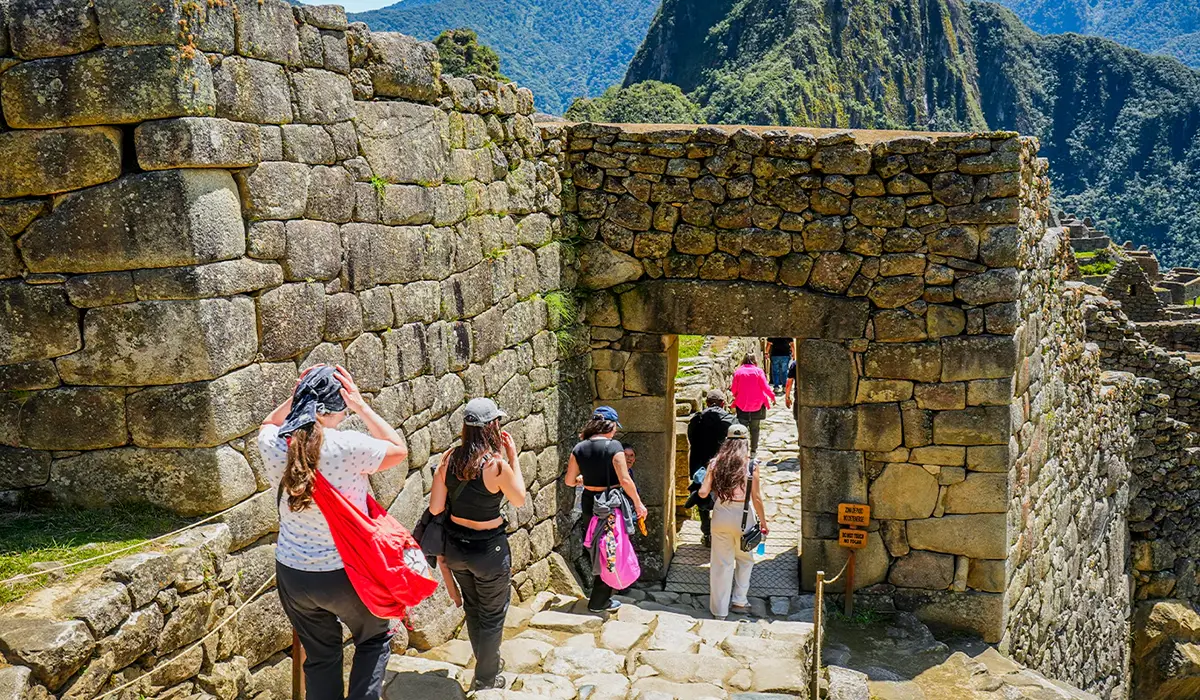
During the trek, hikers traverse ancient stone paths and discover archaeological complexes that remain out of reach for most visitors who arrive directly at Machu Picchu. Among the most outstanding sites are Phuyupatamarca, known as the “City Above the Clouds,” and Wiñay Wayna, one of the best-preserved Inca settlements along the trail.
The most popular option is the 4-day Inca Trail, an experience that combines physical challenge, cultural richness, and spectacular landscapes. One of the route’s biggest challenges is conquering Dead Woman’s Pass (Warmiwañusca), the highest point of the trail at an altitude close to 4,215 meters above sea level, an important aspect for travelers researching the difficulty of the Inca Trail before embarking on the adventure.
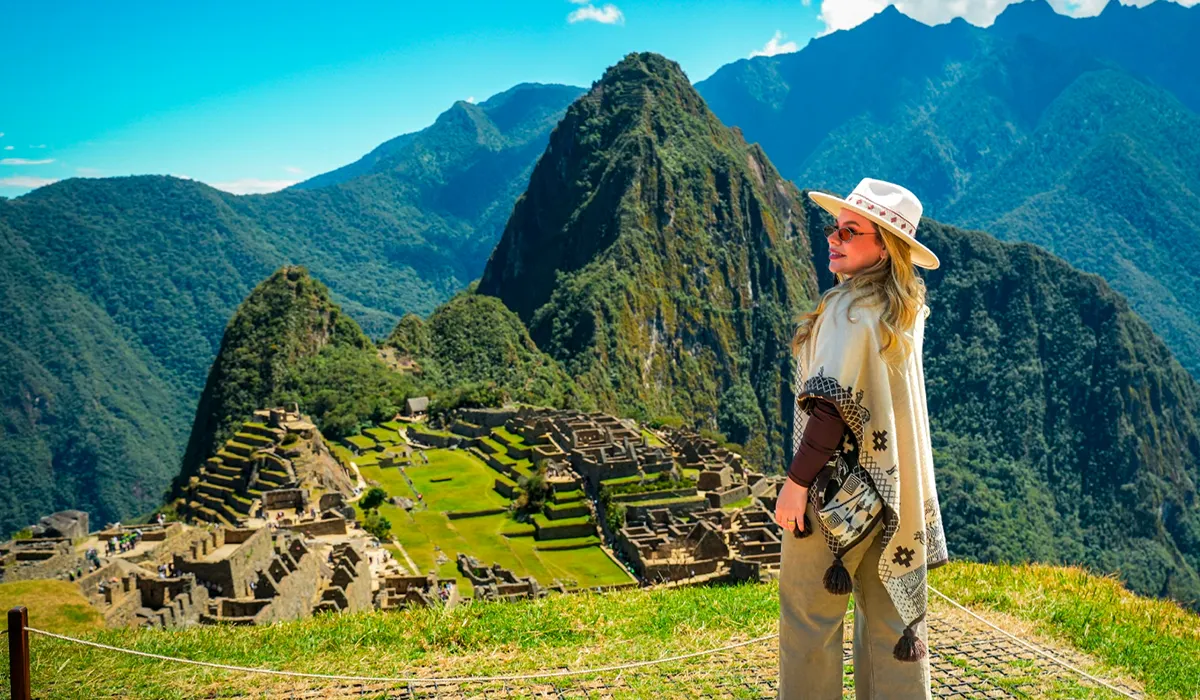
The highlight of the experience comes on the fourth day, when hikers cross the legendary Sun Gate (Intipunku) and watch the first light of day illuminate the ruins of Machu Picchu. This view is considered one of the most memorable rewards of this trek.
If you plan to hike this route, it is essential to secure your Inca Trail to Machu Picchu reservation well in advance. Access is strictly regulated by the Peruvian authorities, with a daily limit of 500 people, including tourists, guides, and porters. Due to high international demand, booking at least 6 to 8 months in advance is recommended, especially during the peak season.
2. Lost City Trek (Colombia)
The Lost City trek is much more than a hike: it is an adventure in one of the most important natural and cultural territories in South America. The route takes place in the Sierra Nevada de Santa Marta, considered the highest coastal mountain range in the world, where the tropical rainforest, crystal-clear rivers, and biodiversity create a unique setting for hiking enthusiasts.
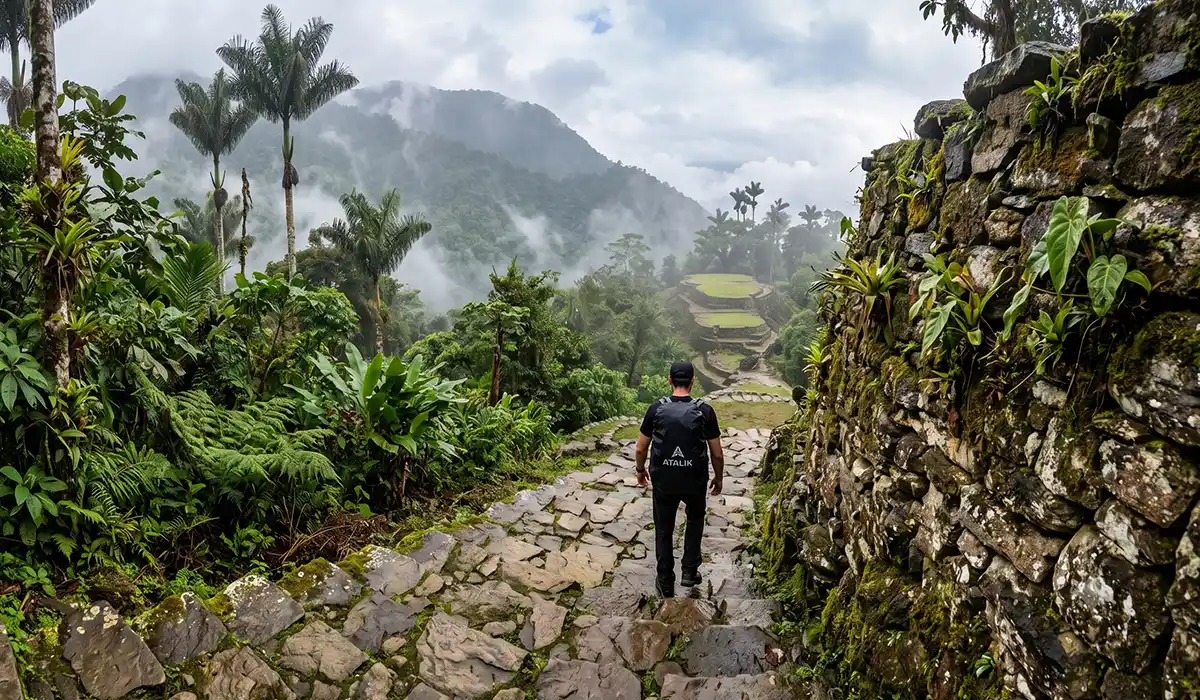
Unlike other high-mountain treks, the main challenge of this expedition is not the altitude, but rather the demanding conditions of the tropical climate. During the 4 or 5 days of hiking, travelers face high temperatures, constant humidity, muddy trails, steep climbs, and multiple river crossings, making the experience both a physical and mental challenge.
Beyond the physical effort, this journey represents a profound encounter with history and the ancestral cultures that still inhabit the Sierra Nevada de Santa Marta. The territory is home to the Kogui, Wiwa, Arhuaco, and Kankuamo indigenous peoples, recognized as the ancestral guardians of the mountain. Their worldview and respect for nature turn this journey into an experience of cultural and spiritual connection, as well as an unforgettable adventure.
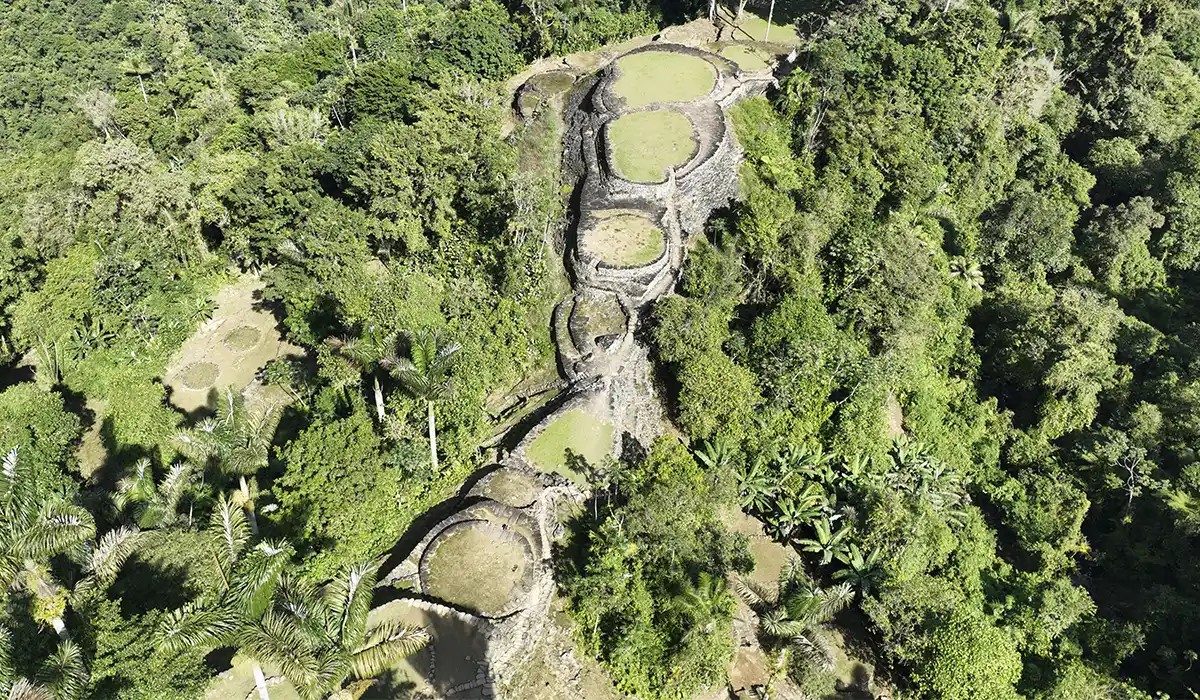
The final destination of the Lost City trek is Teyuna, an ancient civilization built by the Tayrona indigenous people around the 8th century, several centuries before Machu Picchu. After ascending to 1,200 meters above sea level, travelers discover one of Colombia’s most important archaeological sites, surrounded by the lush jungle of the Sierra Nevada de Santa Marta.
3. Trek de Salkantay (Perú)
If you are looking for a more challenging adventure surrounded by imposing natural landscapes, the Salkantay Trek is the best alternative to the traditional Inca Trail. Considered by National Geographic as one of the 25 best hikes in the world, this route of approximately 74 km traverses some of the most spectacular scenery in the Peruvian Andes before reaching the ruins of Machu Picchu.
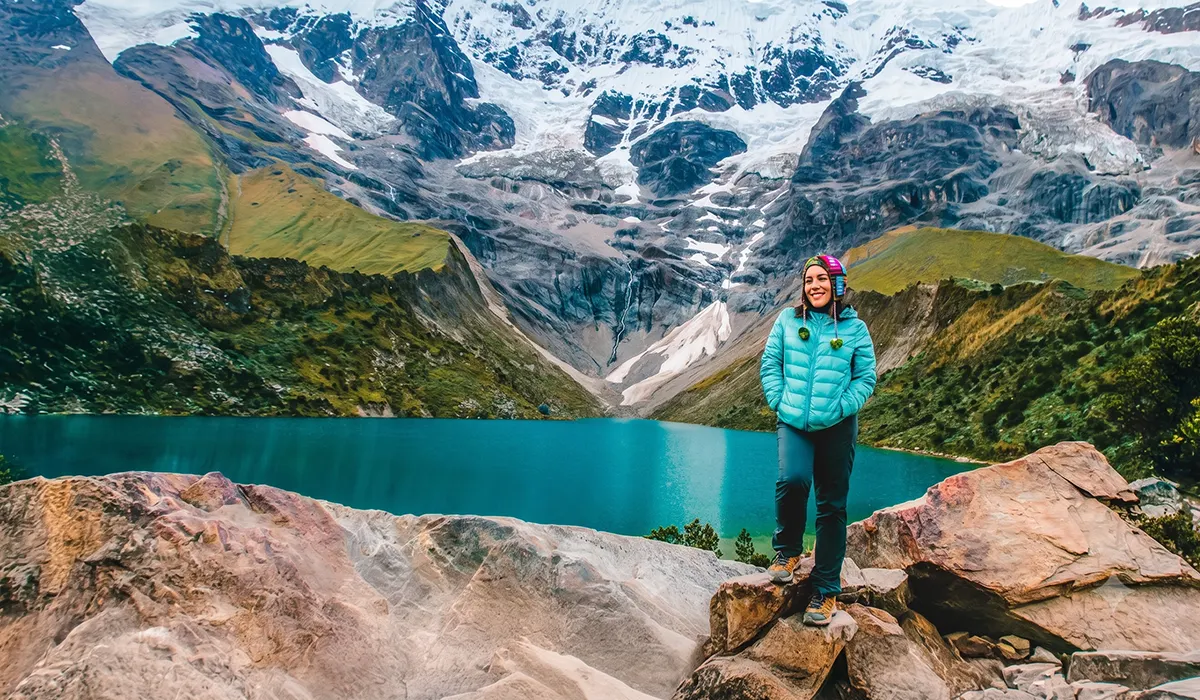
The route takes its name from the imposing snow-capped Salkantay, whose name in Quechua means “wild mountain”. Throughout the expedition, travelers cross Andean valleys, glaciers, glacial lagoons, and high mountain passes before descending toward the jungle, where the landscape changes completely among tropical forests, coffee plantations, and abundant biodiversity.
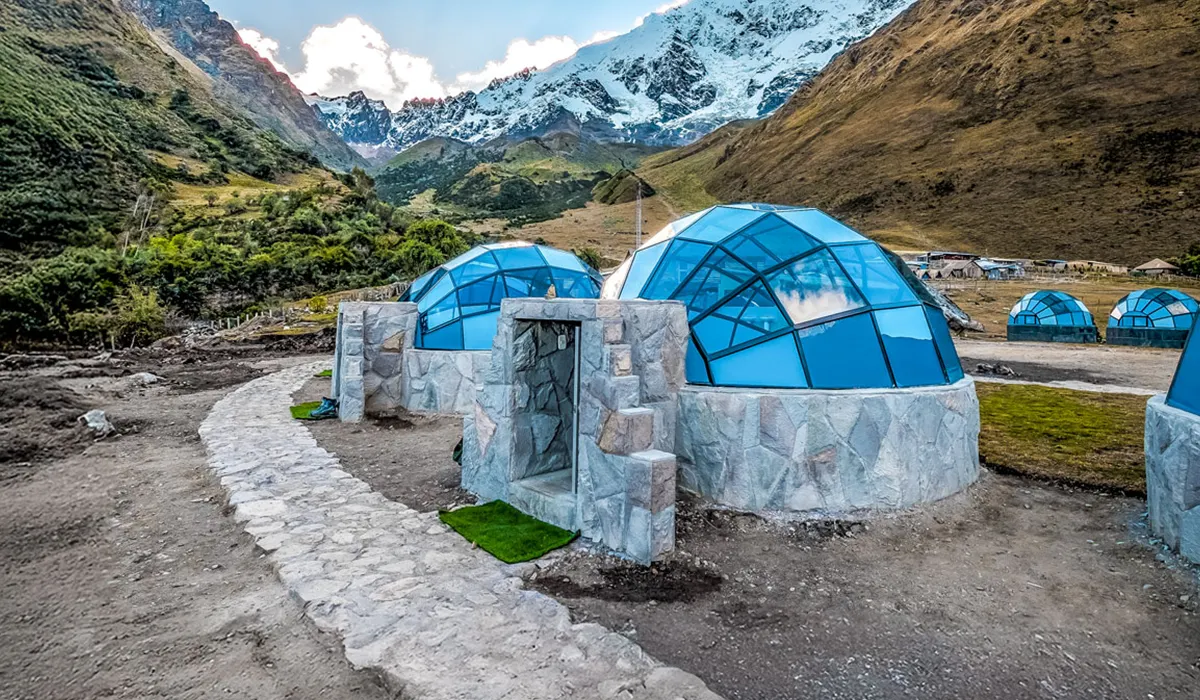
The most challenging and, at the same time, most impressive point of the route is reached during the second day, when hikers cross the Salkantay Pass, located at 4,650 meters above sea level. From this mountain pass, travelers get privileged views of the Salkantay glacier, one of the most iconic peaks in the Peruvian Andes. Afterward, the trail descends into a completely different environment, where tropical vegetation replaces the snow-capped mountains and leads to towns like Santa Teresa, known for their hot springs. Most itineraries also include a visit to the spectacular Humantay Lake, famous for the intense turquoise color of its waters.
4. W Circuit in Torres del Paine (Chile)
At the southern tip of South America, where the natural landscapes seem straight out of another planet, lies the W Circuit of Torres del Paine, one of the most famous trekking routes in the world. Located in Torres del Paine National Park, in Chilean Patagonia, this route of approximately 70 to 80 kilometers traverses granite mountains, ancient glaciers, turquoise blue lakes, and vast valleys shaped by ice.
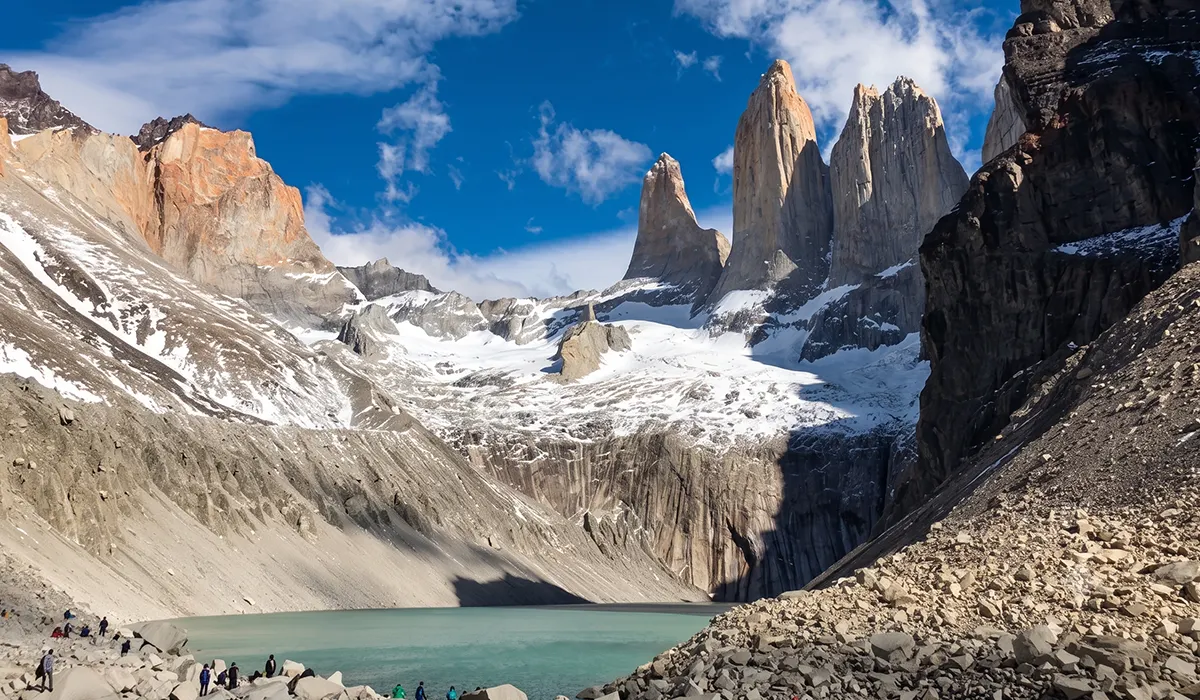
Unlike the trekking routes of the central Andes, the main challenge here is not the altitude but the changing weather conditions. Strong Patagonian winds, rain, sun, and low temperatures can all occur in a single day, so proper planning and the right gear are essential to enjoy this experience safely.
The W Circuit gets its name from the shape the route traces on the map and is typically completed in 4 to 5 days, though some travelers extend the adventure to explore each of its sections at a more leisurely pac
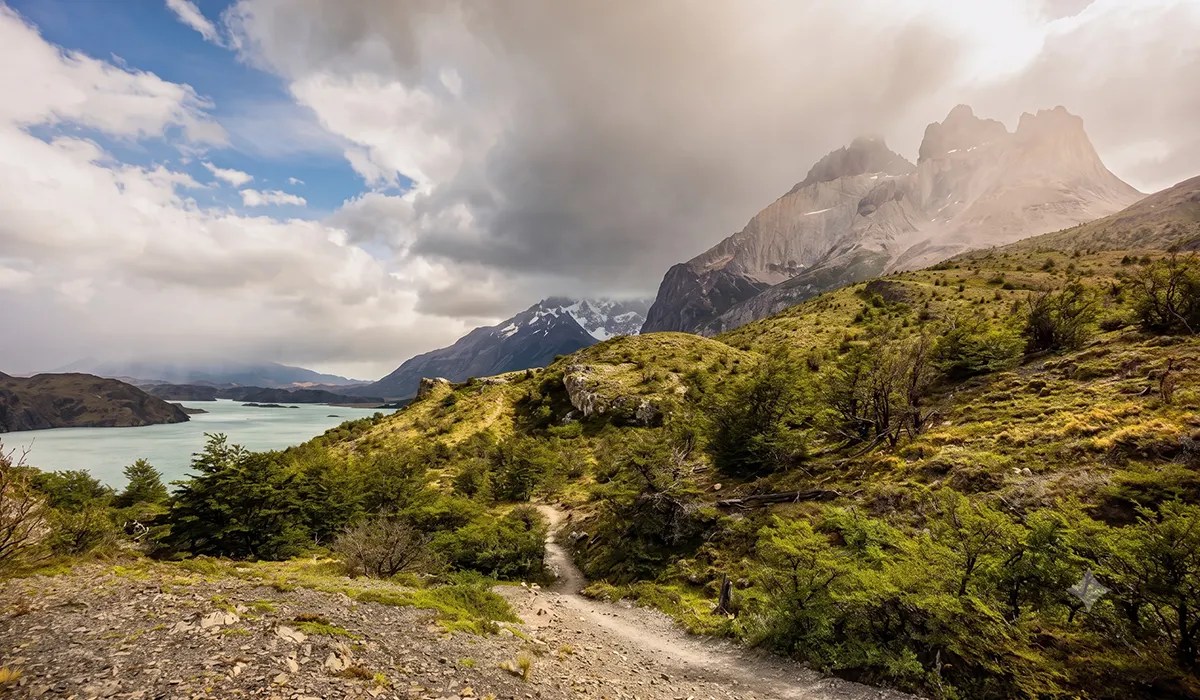
The highlights of the route include the spectacular panoramic view of the Cuernos del Paine from the French Valley, Lake Nordenskjöld, the imposing Grey Glacier—one of the most accessible glacial peaks of the Southern Patagonian Ice Field—and the challenging climb to the Base of the Towers, where a turquoise lagoon reflects the three iconic granite monoliths that have made this park one of Chile’s natural symbols.
5. Trekking in El Chaltén (Argentina)
Located in the heart of Argentine Patagonia, El Chaltén is considered the national trekking capital and one of the best hiking destinations in South America. Its main appeal is how easily some of the region’s most spectacular landscapes can be accessed, without the need for multi-day expeditions or carrying camping gear.
Unlike other hiking routes in South America, in El Chaltén you can stay in a hotel, hostel, or cabin, walk out with a daypack directly from the town, and return in the late afternoon to enjoy the local cuisine, a traditional Argentine asado (barbecue), or a craft beer. This combination of comfort and nature makes the destination an excellent option for both beginner hikers and experienced trekkers.
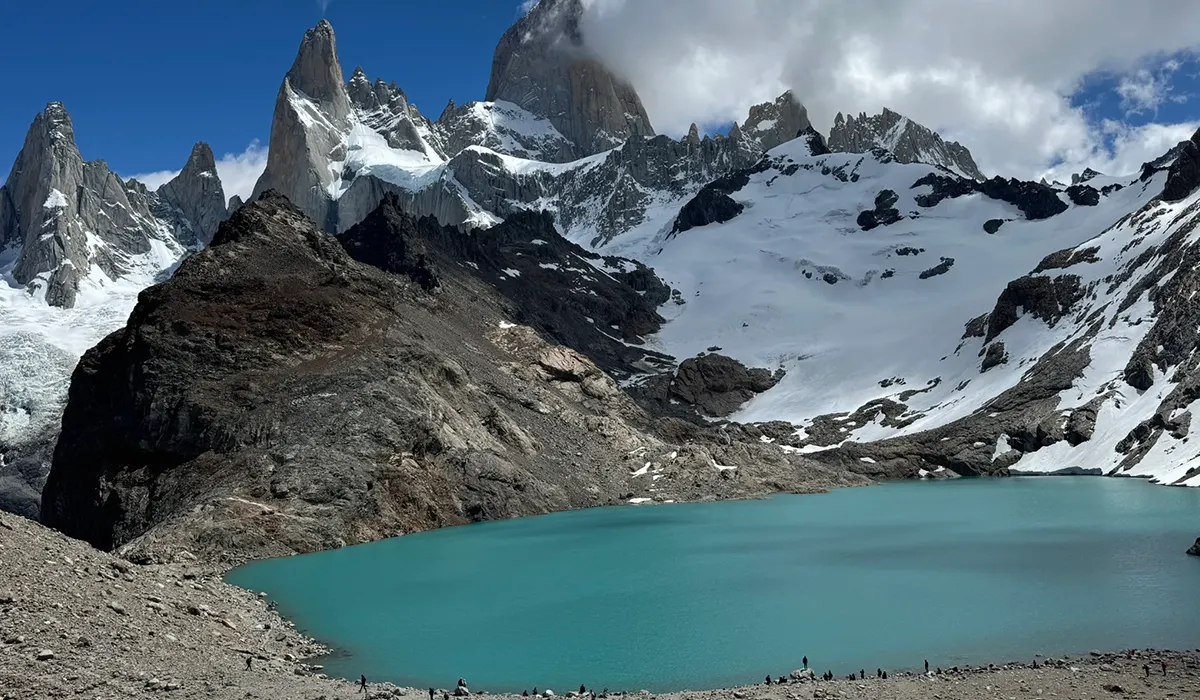
The most outstanding route in El Chaltén is the trek to Laguna de los Tres, a round-trip of approximately 20 to 22 kilometers that takes between 8 and 9 hours. The effort is rewarded with one of Patagonia’s most famous postcard views: the imposing granite wall of Mount Fitz Roy, reflected in the crystal-clear waters of the lagoon.
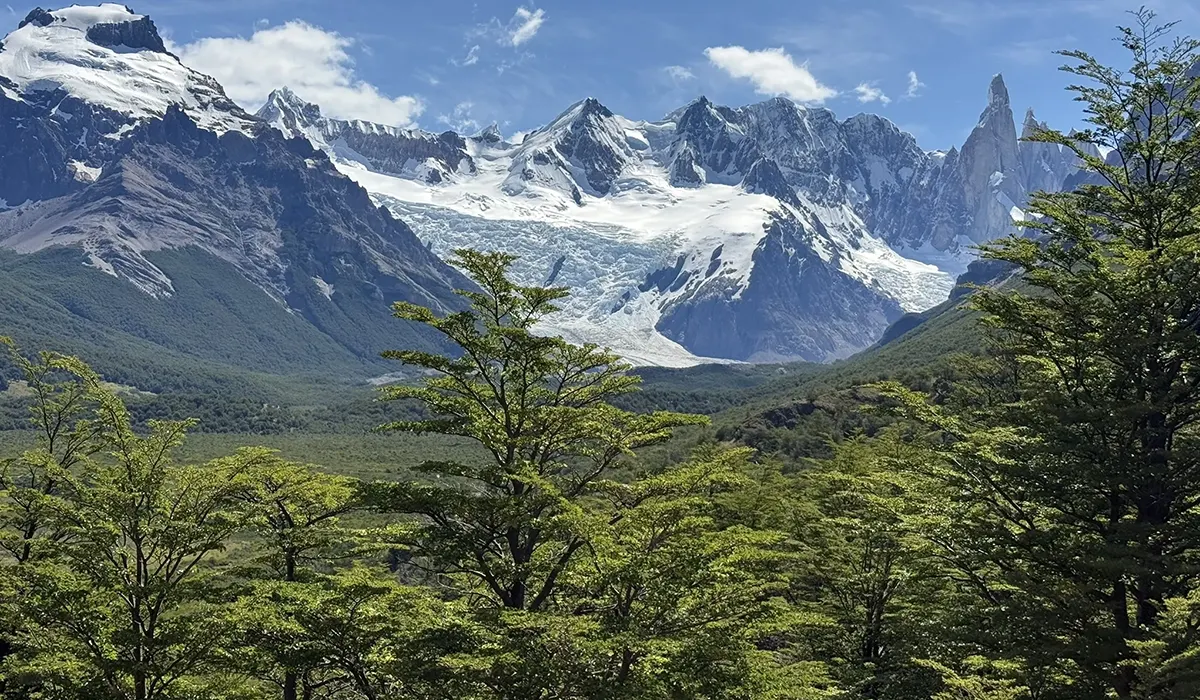
Another essential hike is the one leading to Laguna Torre, from where you get privileged views of the majestic Cerro Torre, one of the most challenging climbing peaks in the world.
6. Mount Roraima Trek (Venezuela / Brazil / Guyana)
Trekking to Mount Roraima is one of the most extraordinary expeditions in South America. More than a hike, it is a 6 to 8-day journey to one of the oldest geological formations on the planet: the Guiana Shield, a rocky massif with an estimated age of nearly two billion years.
Its final destination is Mount Roraima, the highest tepui in this region, a gigantic flat-topped mountain with vertical walls that has sparked the curiosity of explorers, scientists, and writers for generations.
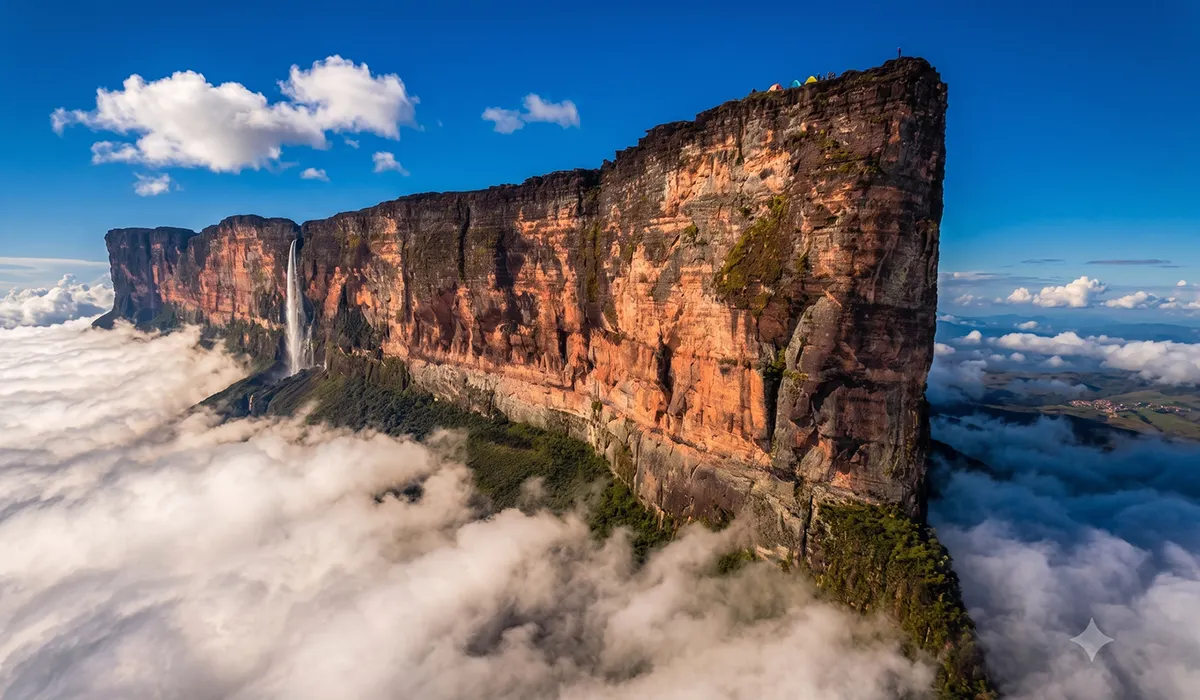
The adventure begins by crossing the vast landscapes of the Gran Sabana, where hikers cross rivers, open savannas, and tropical forests before tackling the ascent via a natural ramp known as La Rampa, the only land access to the summit of the tepui. Throughout the journey, huge waterfalls and rock walls hundreds of meters high accompany every stage of the expedition.
Upon reaching the summit, the landscape changes completely and seems to belong to another planet. The surface of Mount Roraima is covered by quartz crystal valleys, rock formations sculpted over millions of years, endemic carnivorous plants, small natural pools, and unique ecosystems that exist nowhere else in the world.
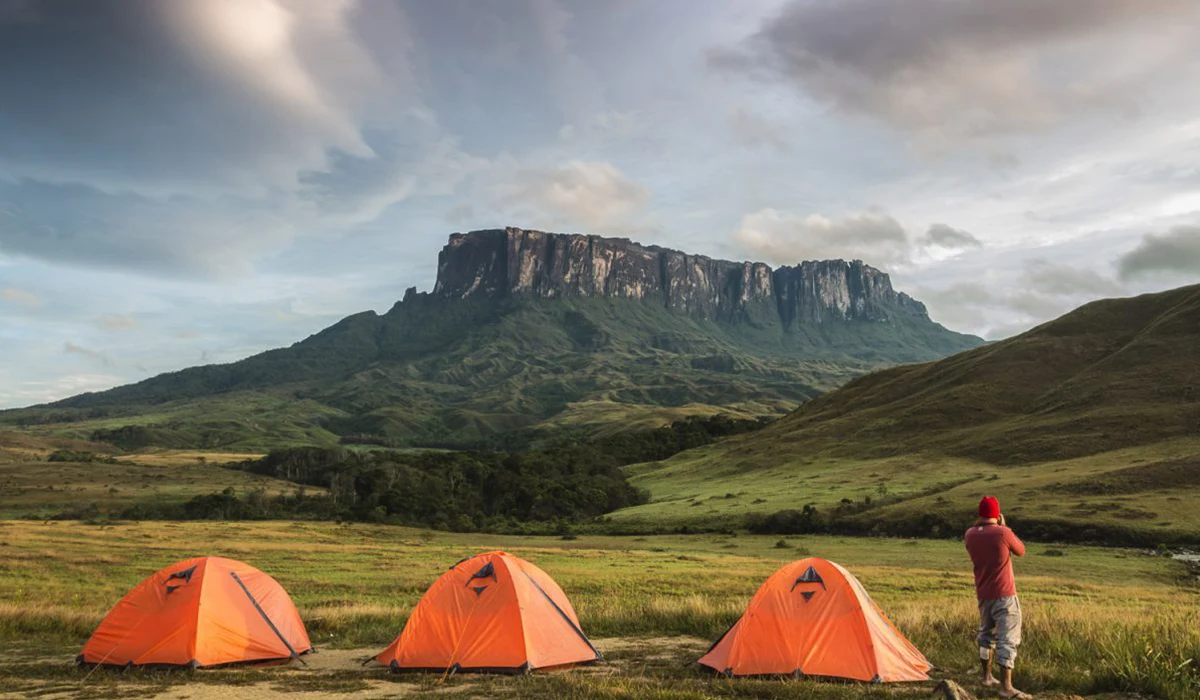
This surreal setting inspired the novel The Lost World by Arthur Conan Doyle and served as one of the main visual references for Pixar’s movie Up. One of the most iconic spots is the Triple Point, where the borders of Venezuela, Brazil, and Guyana converge, allowing you to stand in three countries at the same time.