
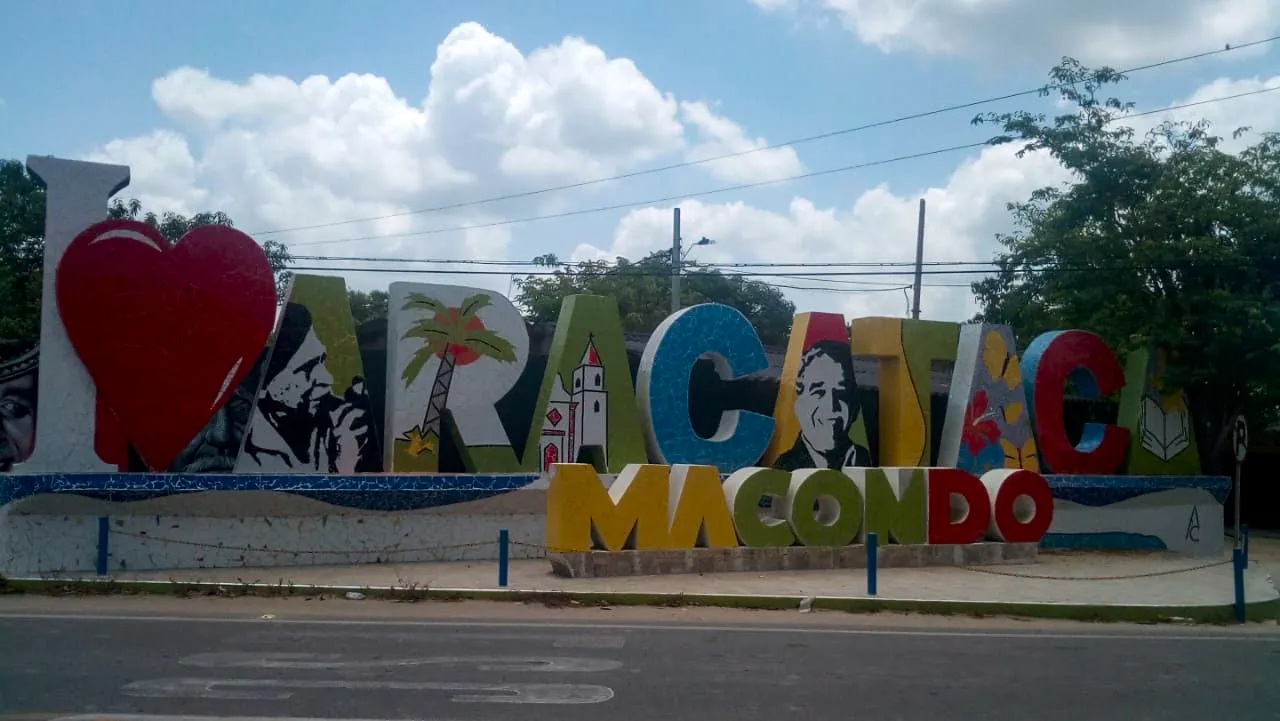
Aracataca is a municipality in the Magdalena department of Colombia, just an hour and a half from the city of Santa Marta by road. It’s the ideal place to explore, learn, and have fun while admiring its colonial architecture. The most interesting thing about this place is that it has become a complete tribute to Nobel laureate Gabriel García Márquez. In this blog, we’ll tell you everything you need to know to visit Aracataca and make the most of this adventure.
How to get to Aracataca?
You just need to go to the Santa Marta bus terminal and take a bus. The fare ranges from COP $18,000 to COP $25,000 per person, depending on the bus company you choose. Currently, only the following companies offer service to Aracataca.
On the other hand, if you are closer to the city of Barranquilla, you can also take a bus via Aracataca for only $25,000 COP and it will take you 2 and a half hours to get there.
Remember that you must get off the bus in Las Palmas, where you will find the sign YO AMO ARACATACA.
Interesting fact about Aracataca
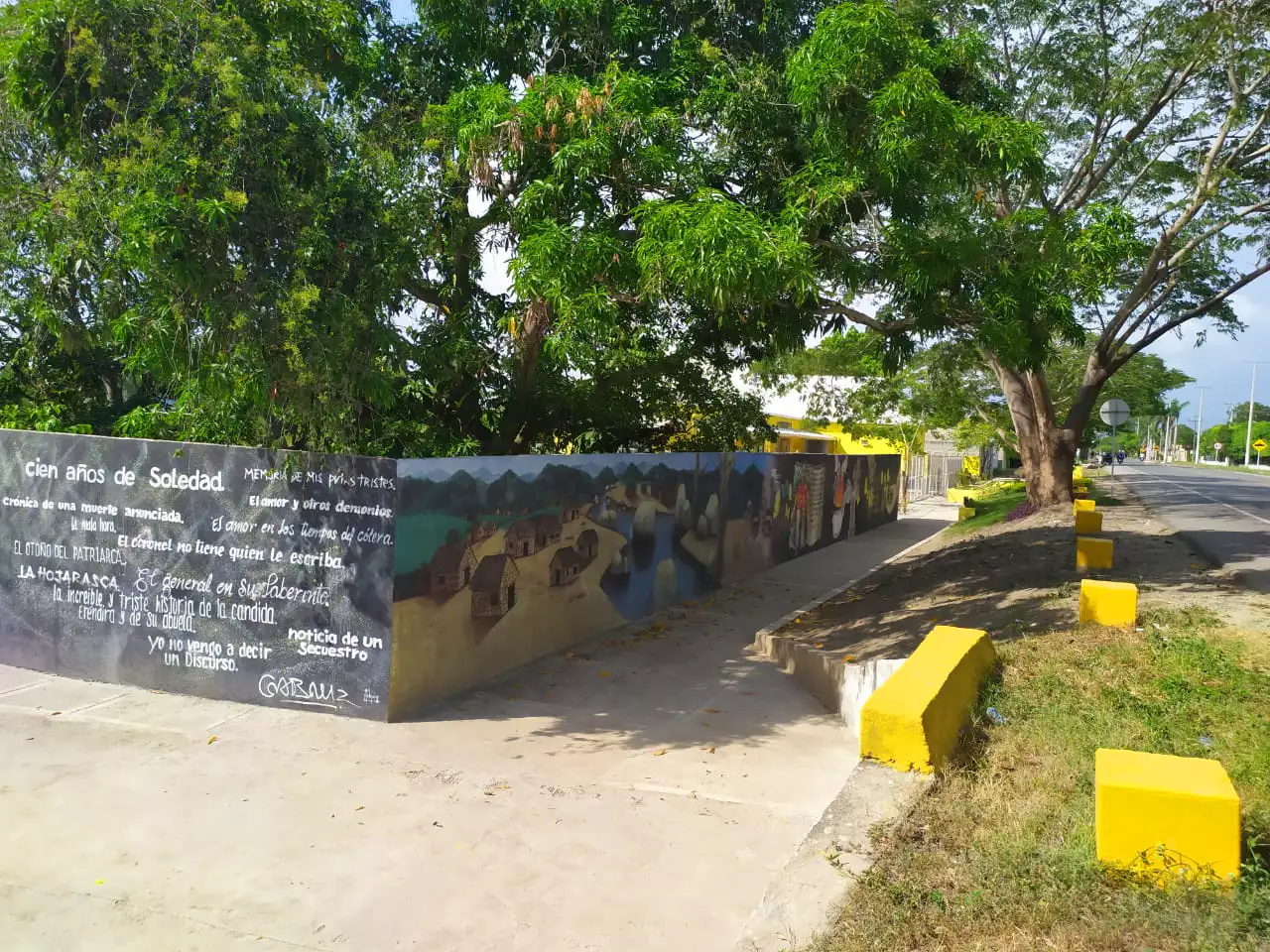
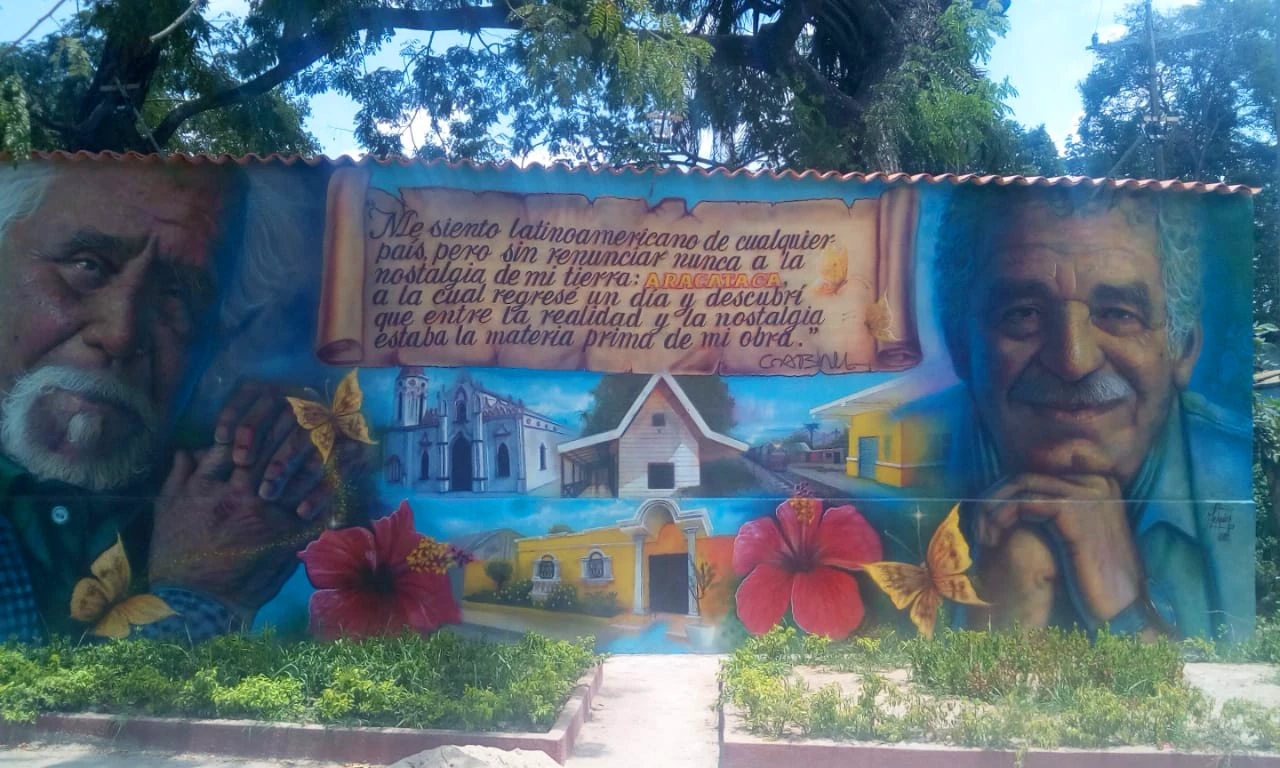
For lovers of reading and culture, this is the ideal place to learn. Aracataca is a place full of history; its streets are a living representation of the books written by its Nobel laureate in literature, Gabriel García Márquez, a son of this welcoming land, as well as the photographer and cartoonist Leo Matiz Espinoza.
Places you can’t miss in Aracataca
Among the most representative places you should visit in Aracataca are:
Gabriel García Márquez House Museum
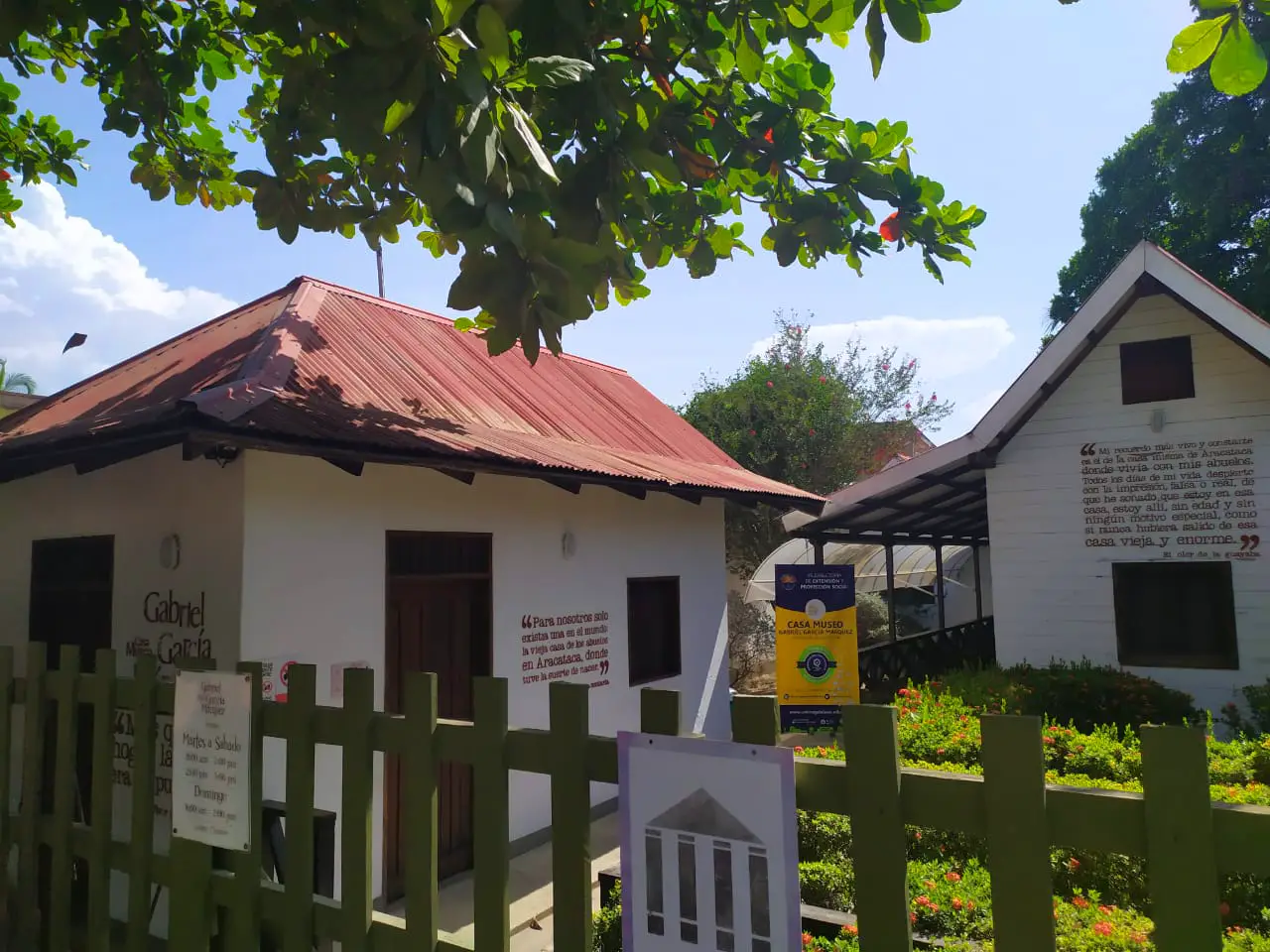
There is no admission fee, but a small donation is requested for its upkeep. Visiting hours are Monday through Saturday from 9:00 a.m. to 1:00 p.m. and from 2:00 p.m. to 6:00 p.m.; and on Sundays from 9:00 a.m. to 2:00 p.m.
The Telegraphist’s house
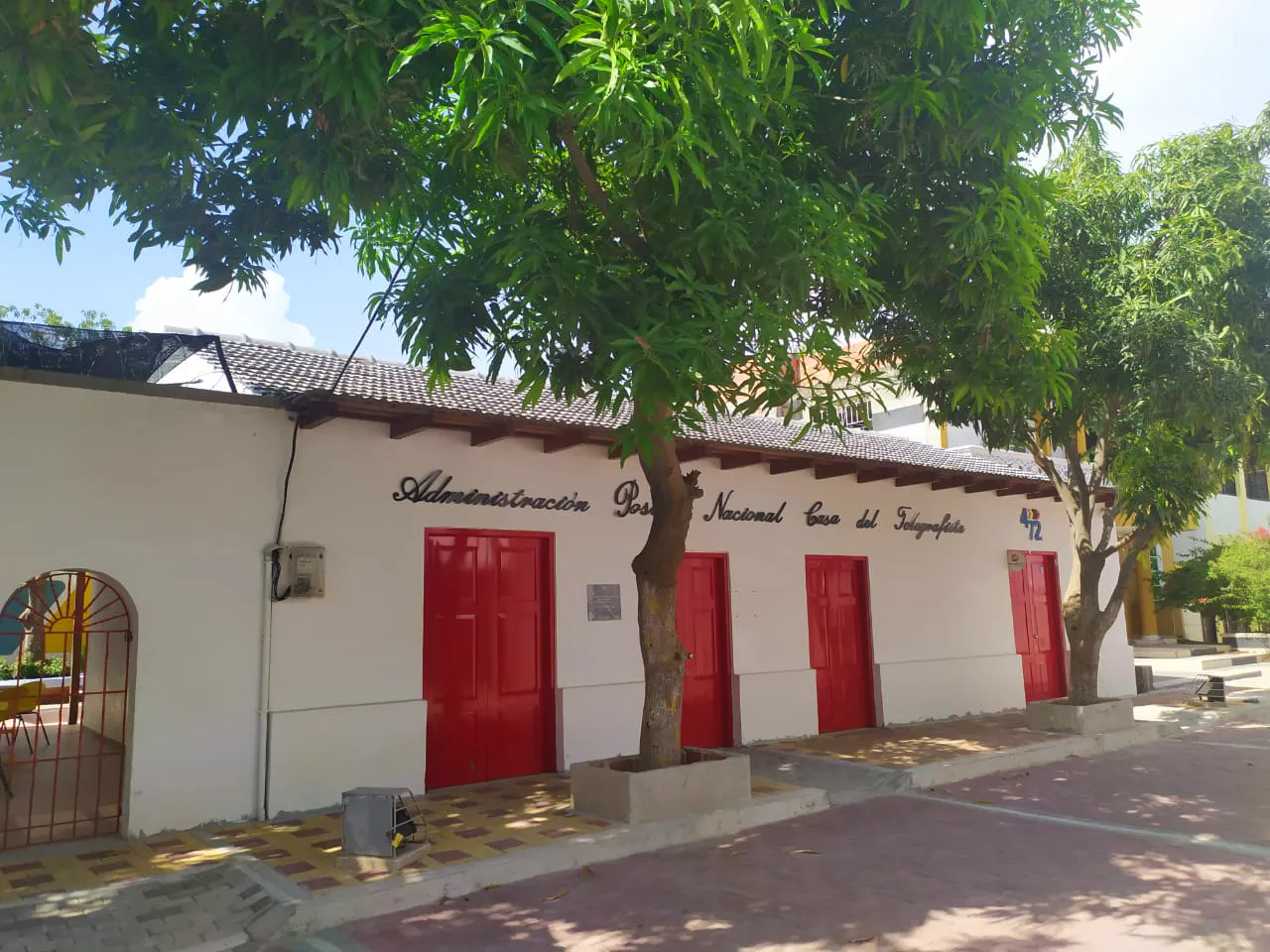
The national postal administration Telegraphist’s house is one of the historical and cultural heritage of Colombia. Eligio Garcia, father of Gabriel Garcia Marquez, worked here. Entrance is free.
Gabriel García Márquez Public Library
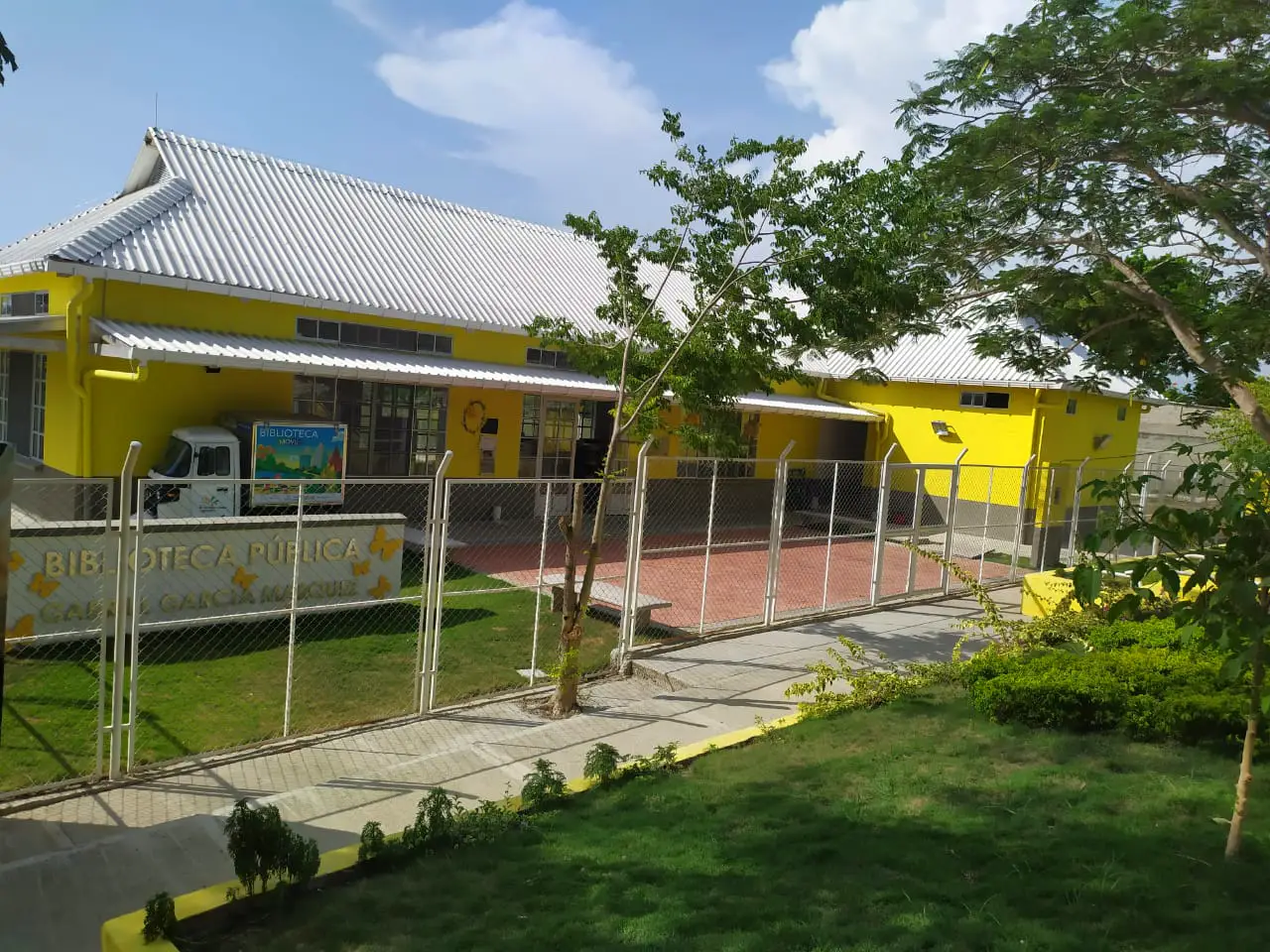
This library, like most places in Aracataca, pays homage to Gabo. It was built to foster opportunities for exploration, innovation, and creativity, primarily among young people.
Municipal Library Remedios La Bella
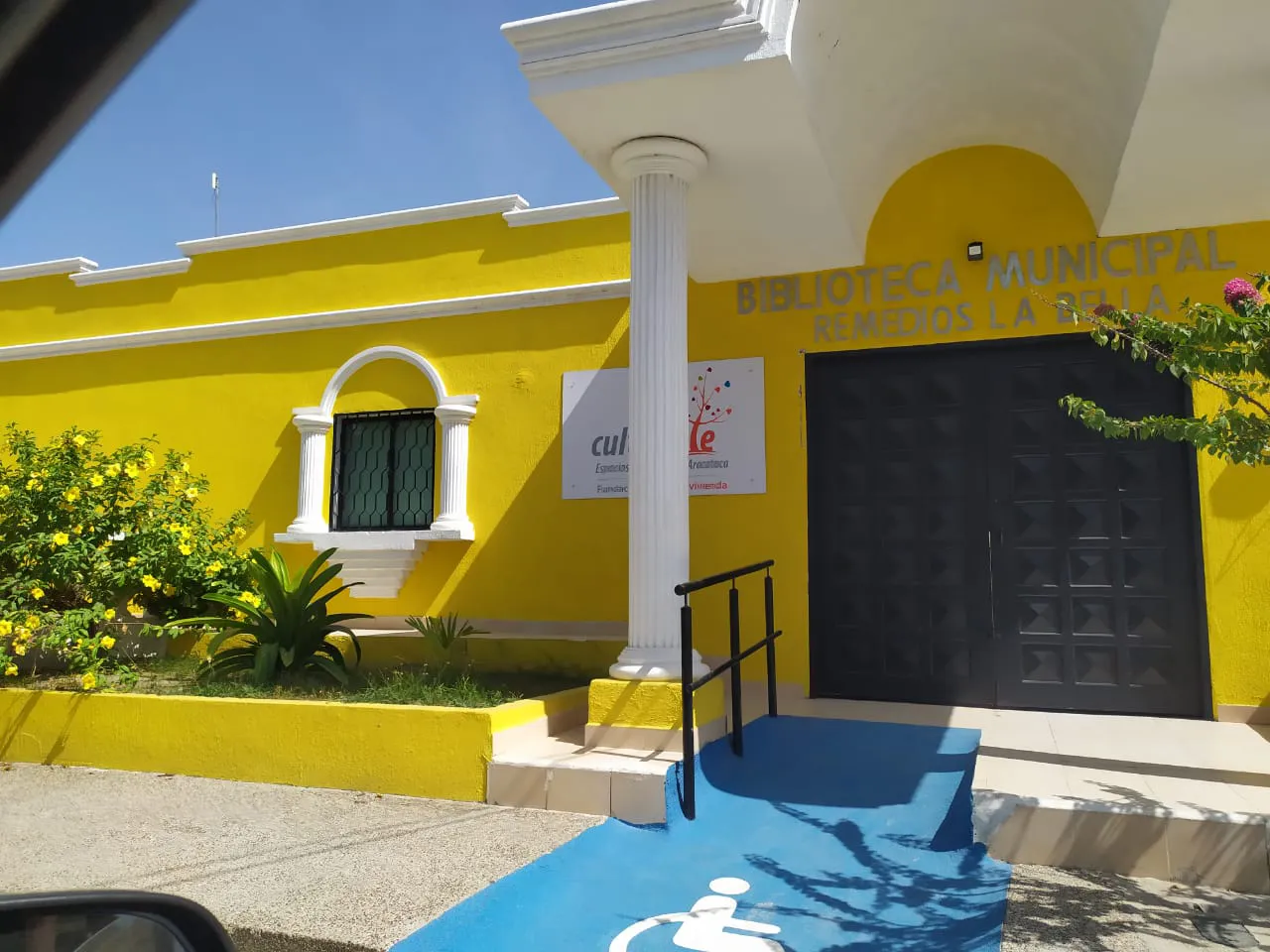
You can enter it for free. In this library you will find a playroom, a computer room with internet access, and some works created by talented individuals who stand out or have stood out in the community.
Remedios La Bella Statue
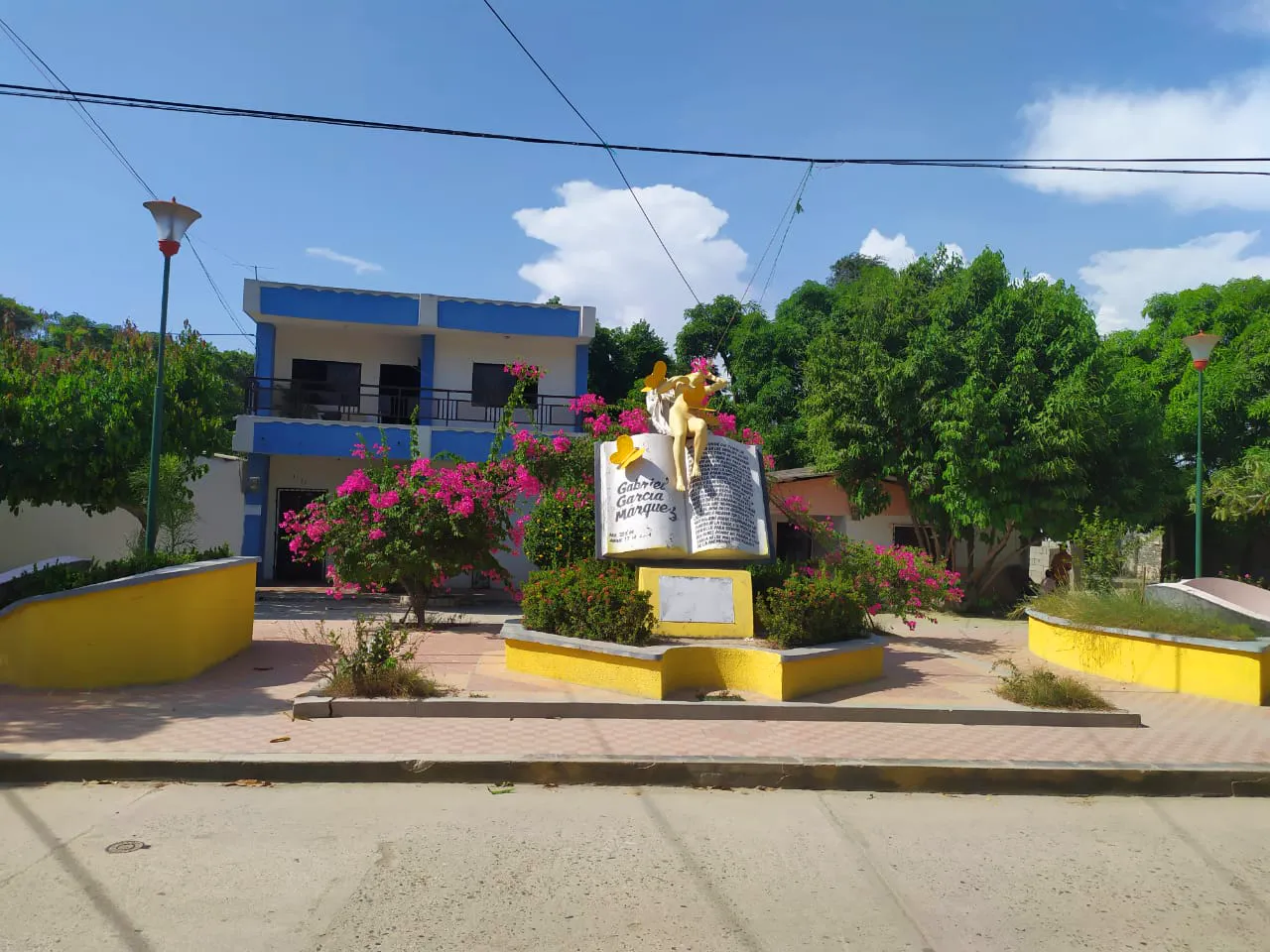
Located in the main square of Aracataca, Remedios La Bella is a character from Gabriel García Márquez novel One Hundred Years of Solitude, which is not only widely known in this town but also internationally. Thanks to the story in this book, Aracataca is also known as Macondo.
Railway Station
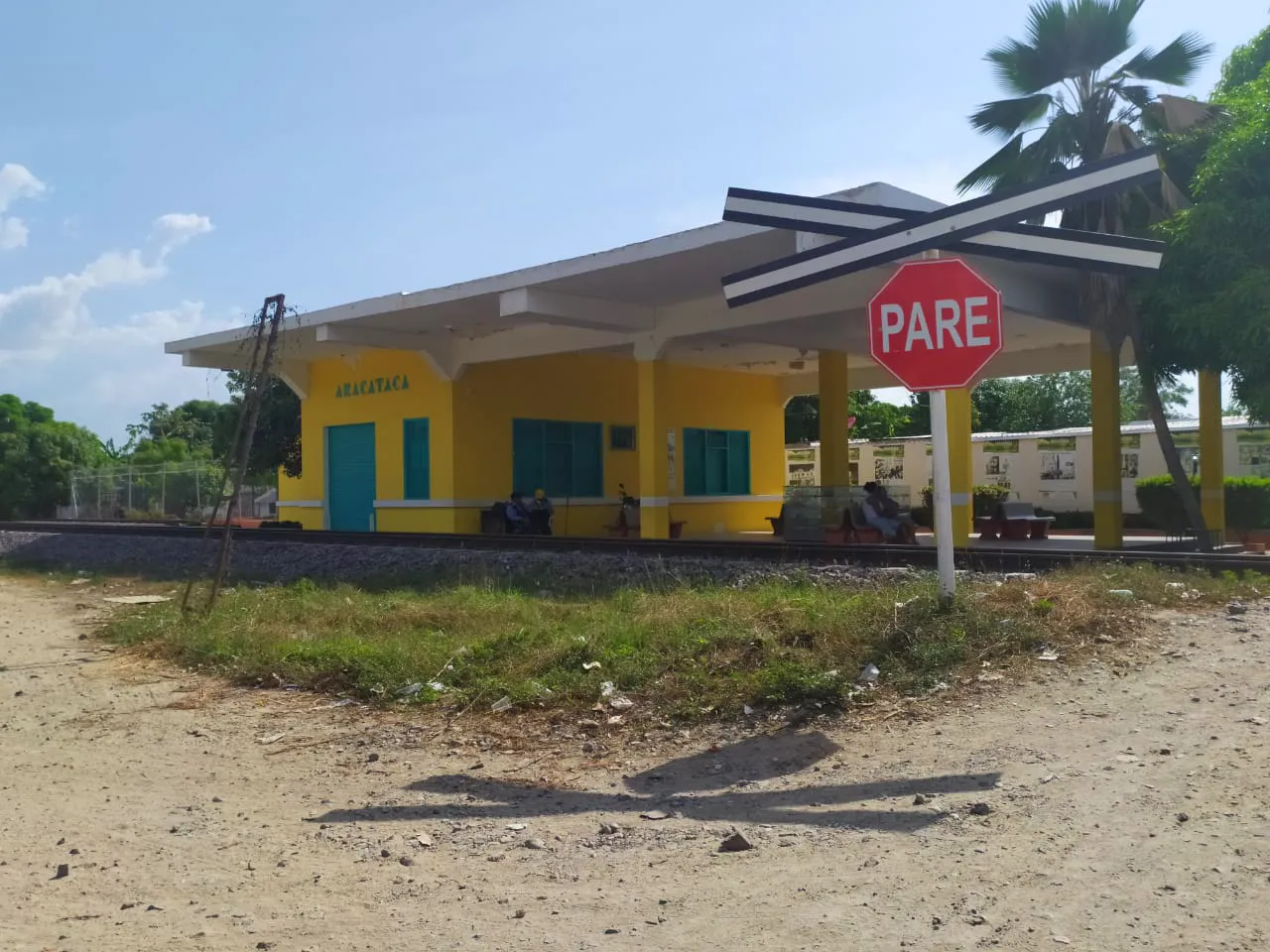
Aracataca also has the famous old railway station, which has been in operation since 2011 for the enjoyment of tourists; thus they can tour the town and compare it with the beautiful stories of its literary writer.
Macondo Linear Park
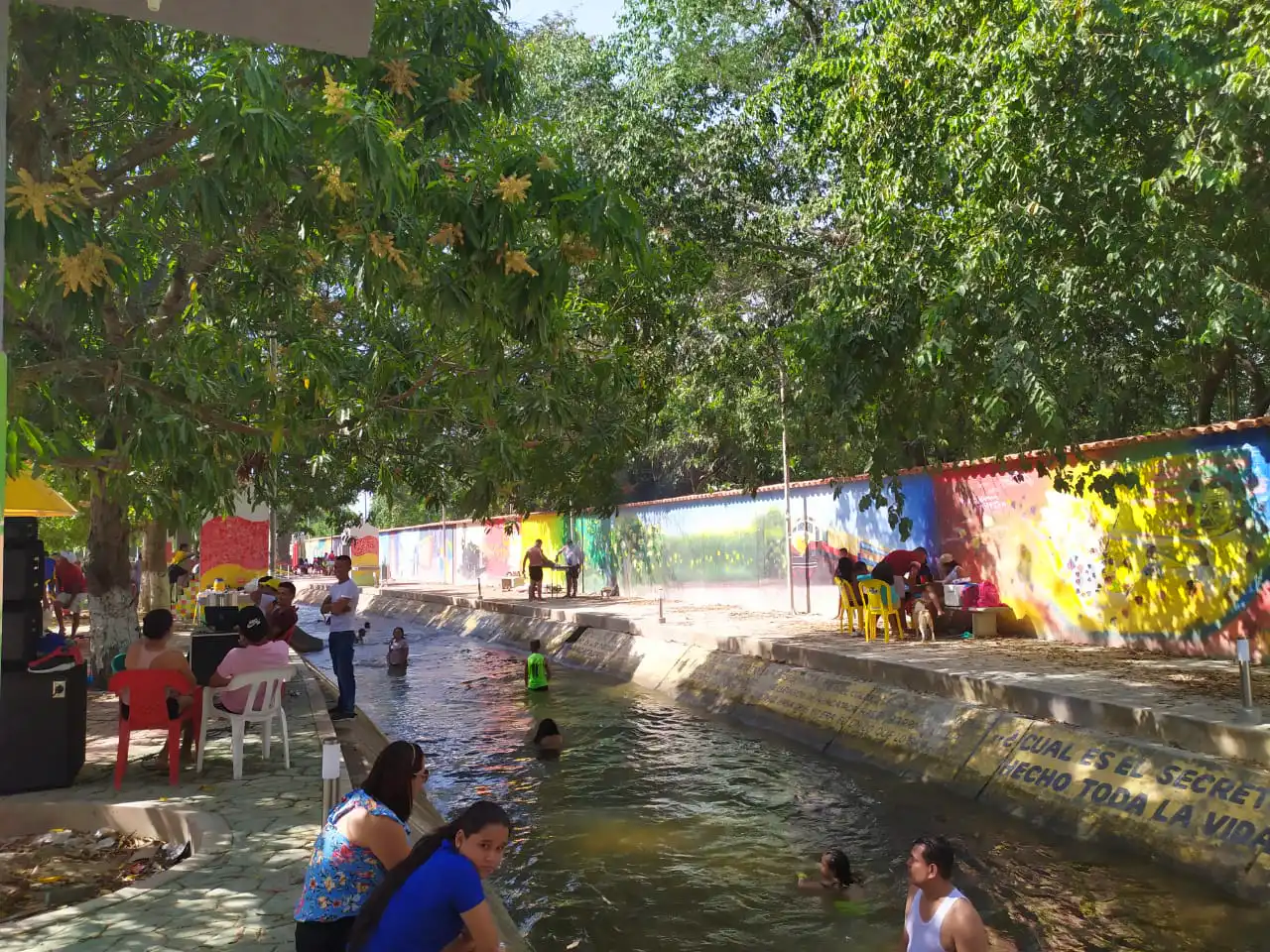
It’s located diagonally across from the “YO AMO ARACATACA” sign for the municipality. Besides the impressive and artistic collection of murals, this spot features an irrigation ditch (an old canal) that serves as a swimming pool, where anyone visiting Aracataca can take a refreshing dip.
Plaza Park
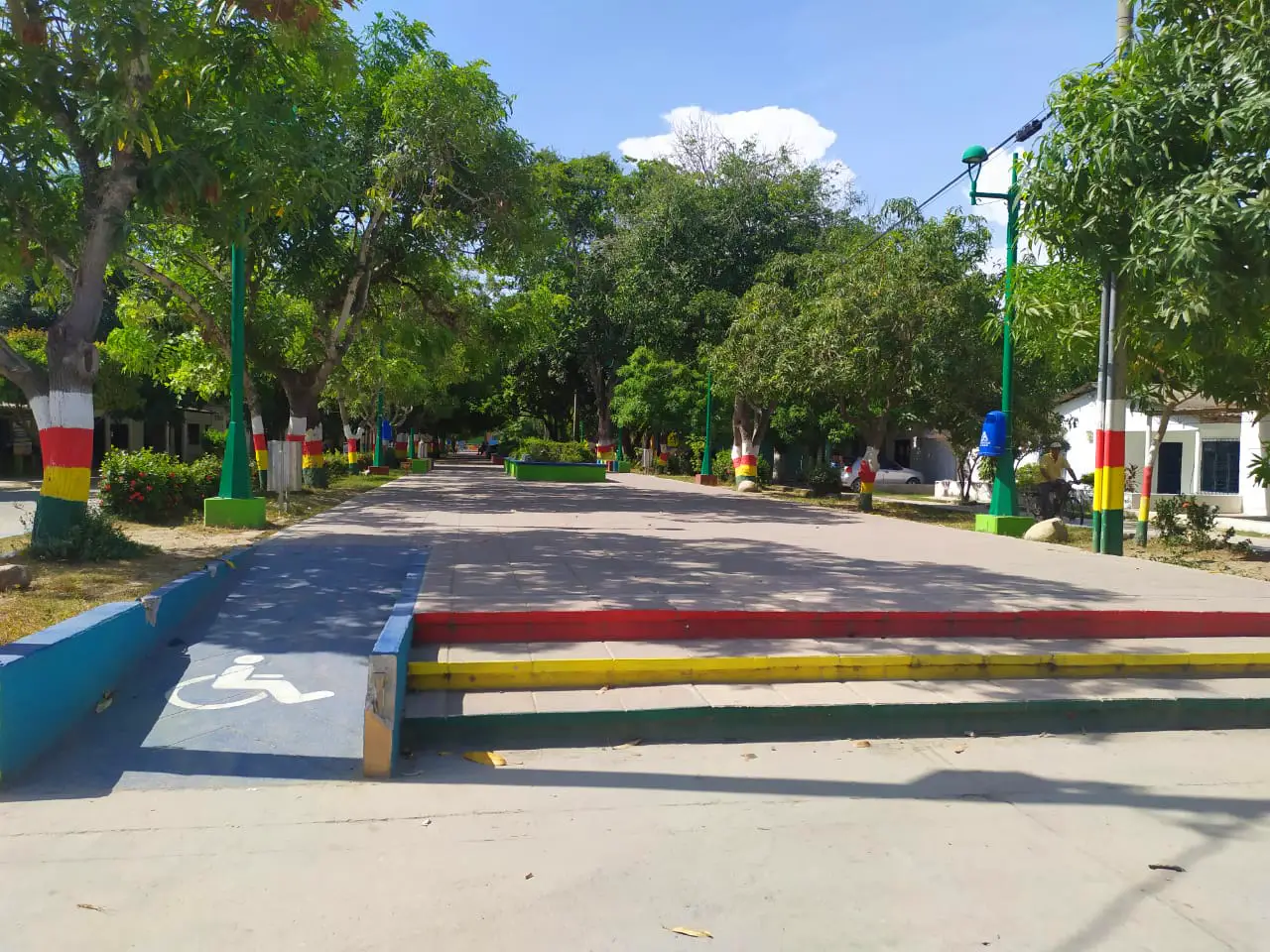
The real name of this “park” is Plaza Ayacucho, another of the emblematic settings of beautiful Aracataca.
San José Church
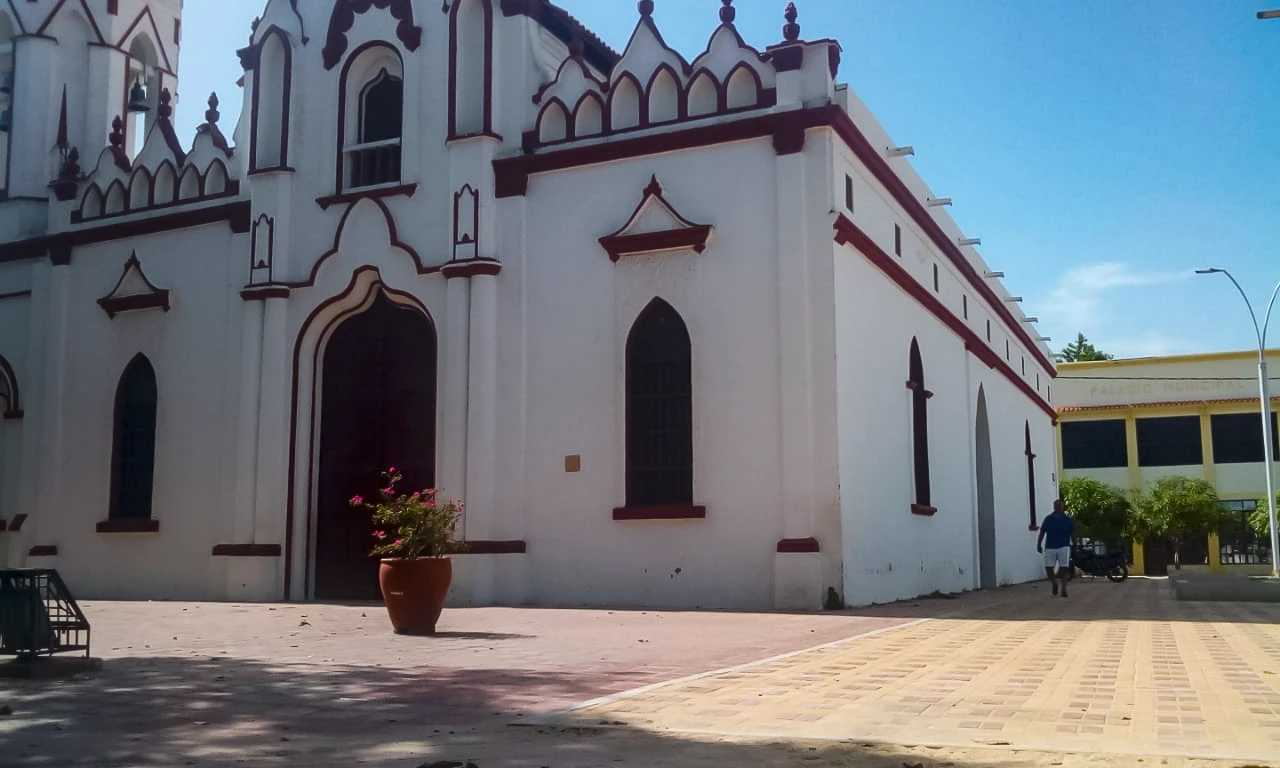
This church is a National Architectural Heritage Site. It’s well worth a visit.
You can also visit the Street of the Turks and the Masonic Lodge, which are very interesting places in the municipality; it’s important to know that admission to both of these sites is free. Just keep in mind the visiting hours: Monday to Saturday from 9:00 a.m. to 1:00 p.m. and from 2:00 p.m. to 6:00 p.m.; and Sundays from 9:00 a.m. to 2:00 p.m.
What to do at night in Aracataca?
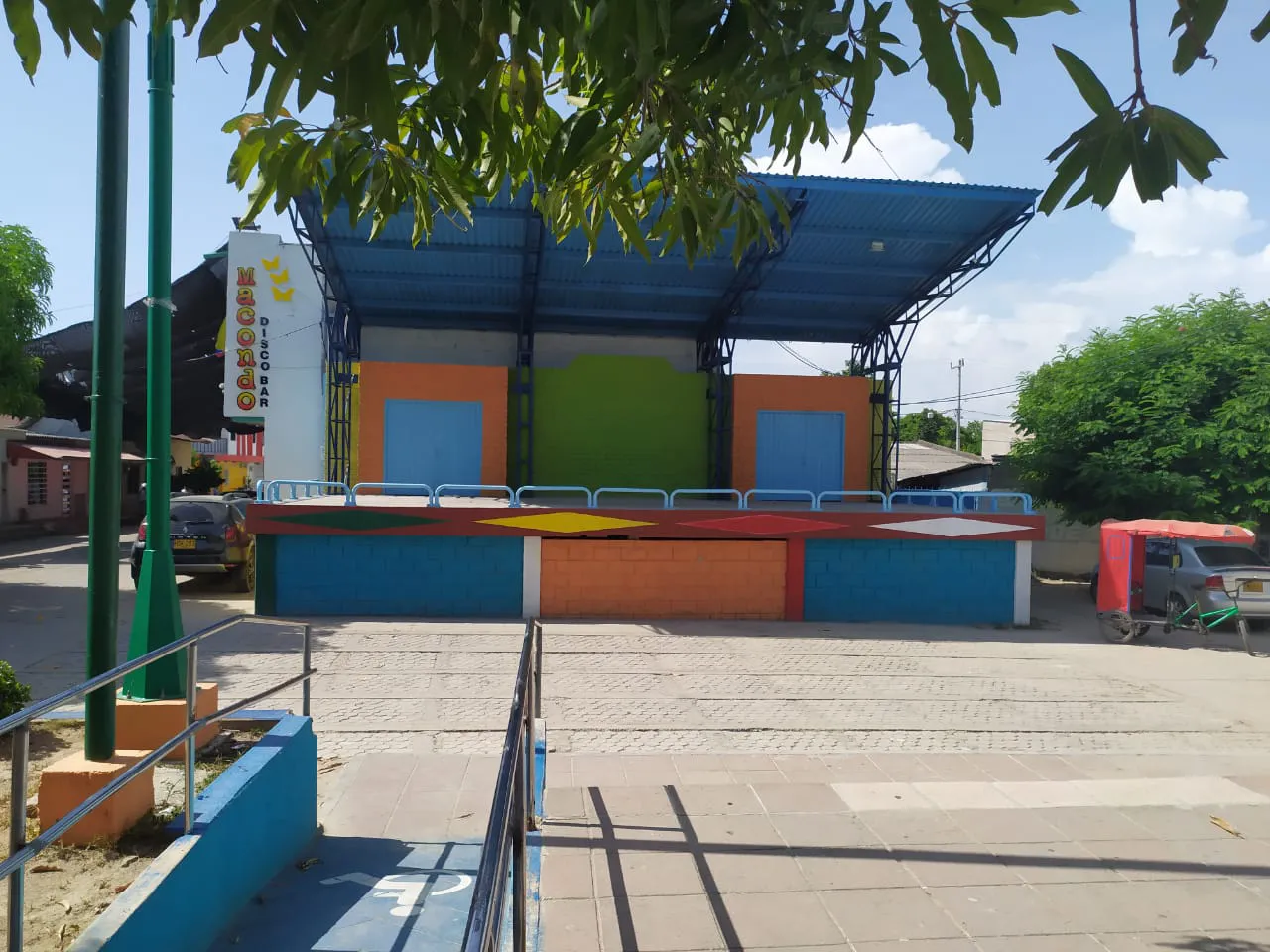
If you decide to spend the night in Aracataca and want to have some more fun in the town, you can go to some of the bars located there. The most recommended by tourists are: Casa e Tabla de Macondo and La Leyenda – Café Bar. If you’d like to dance a bit, you can go to Macondo Disco Bar.
Accommodation in Aracataca
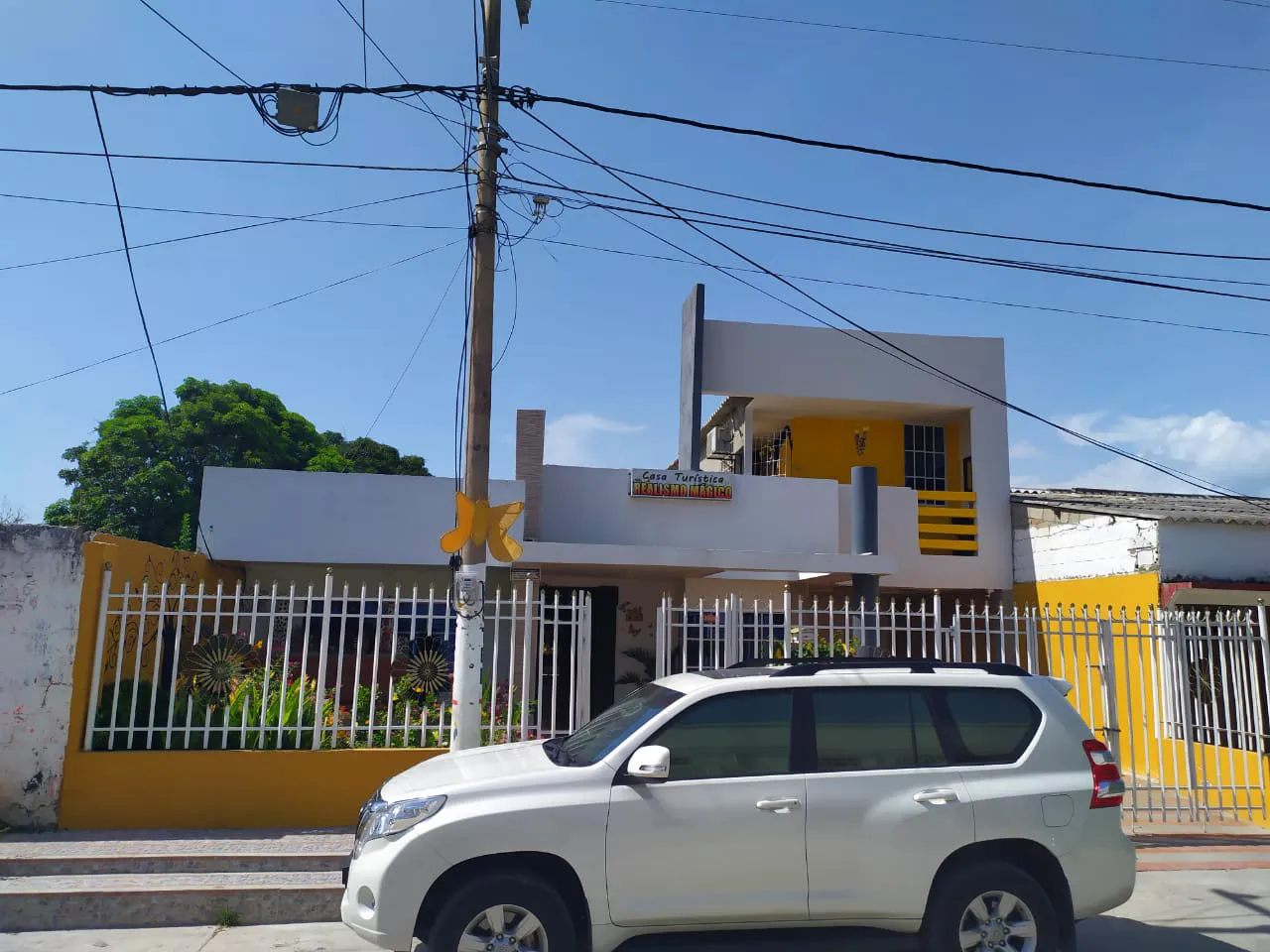
In Aracataca, you’ll find a variety of hostels and hotels to choose from, depending on your budget. Always remember to check online reviews from other travelers to get an idea of the conditions, amenities, and benefits of each place.
What to eat in Aracataca?
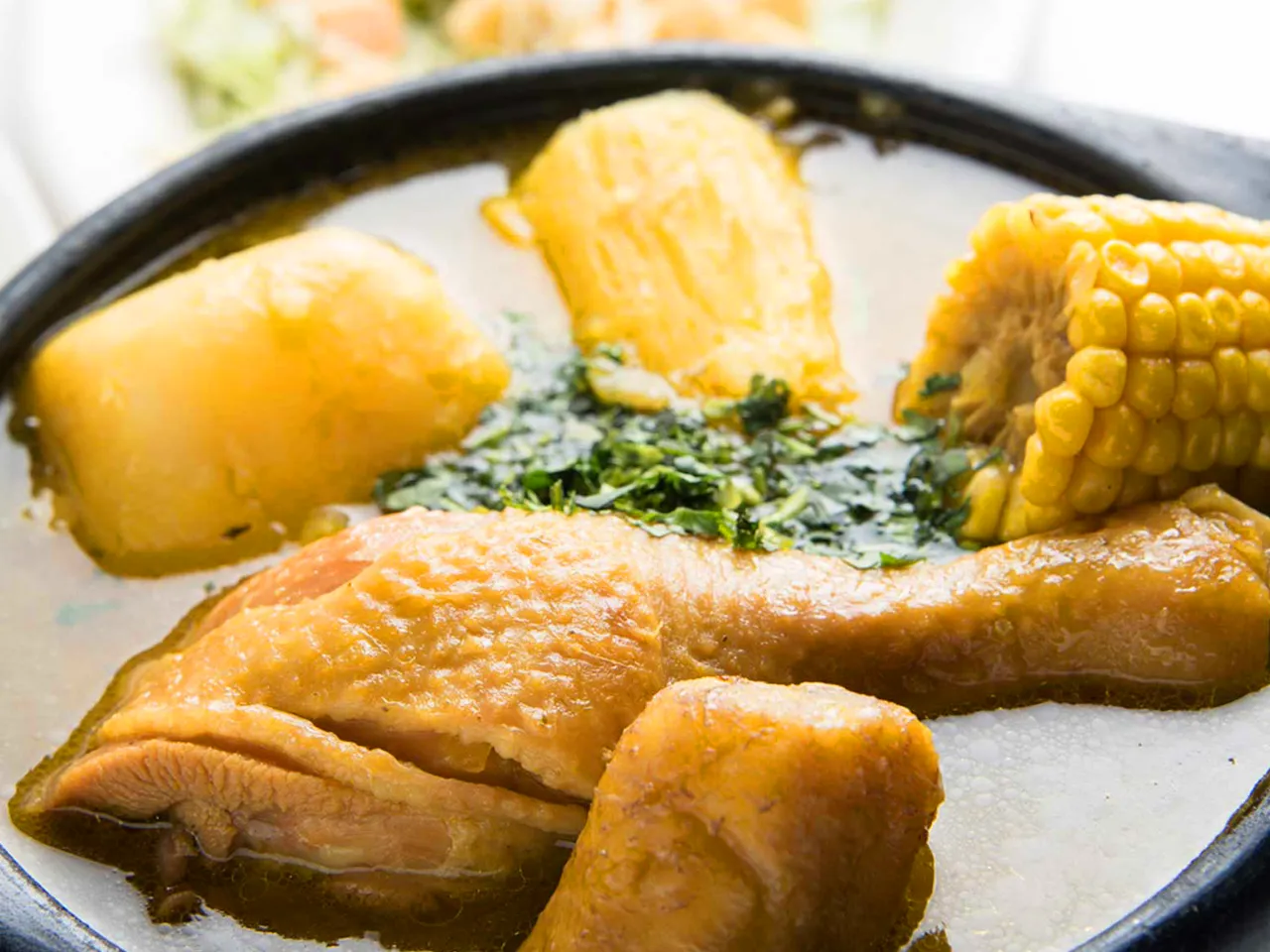
This town is well known for being an area rich in banana and African palm plantations; therefore, they have a large production of green bananas and palm oil; making their typical dishes 100% organic, which makes their food delicious and a good option for eating healthily, enjoying the flavors of Mother Earth.
Cayeye
Boiled plantain with cheese, or its famous name: cayeye, is a complete delight; the smooth texture caused by the mashed plantain with butter plus the grated cheese is a true delicacy that has nothing to envy from large or famous restaurants.
Sancocho
Chicken stew, fish stew, or tripe stew are also a delicious option, especially if they are cooked over a wood fire.
Peto, bollo y pastel
Peto, as a cold or hot drink, yucca bun and rice cake with meats, are essential on the table of a Cataqueño.
Climate in Aracataca
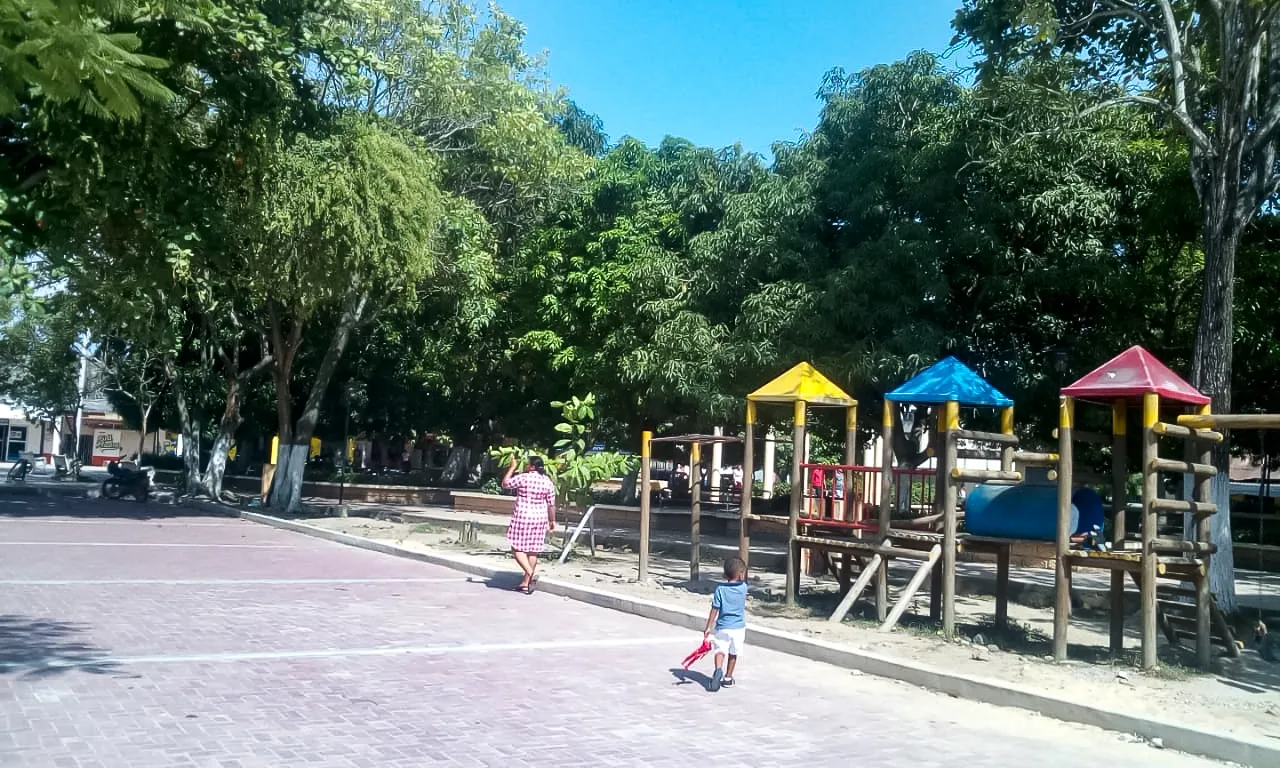
Aracataca has a tropical climate, with temperatures ranging from 33° to 36°C; therefore, be prepared to stay well hydrated and protect yourself from the sun. Don’t forget to bring a hat, sunglasses, and sunscreen, as the sun is strongest and you’ll feel a bit of a breeze between 11:00 a.m. and 3:00 p.m.
What kind of clothes should I bring to Aracataca?
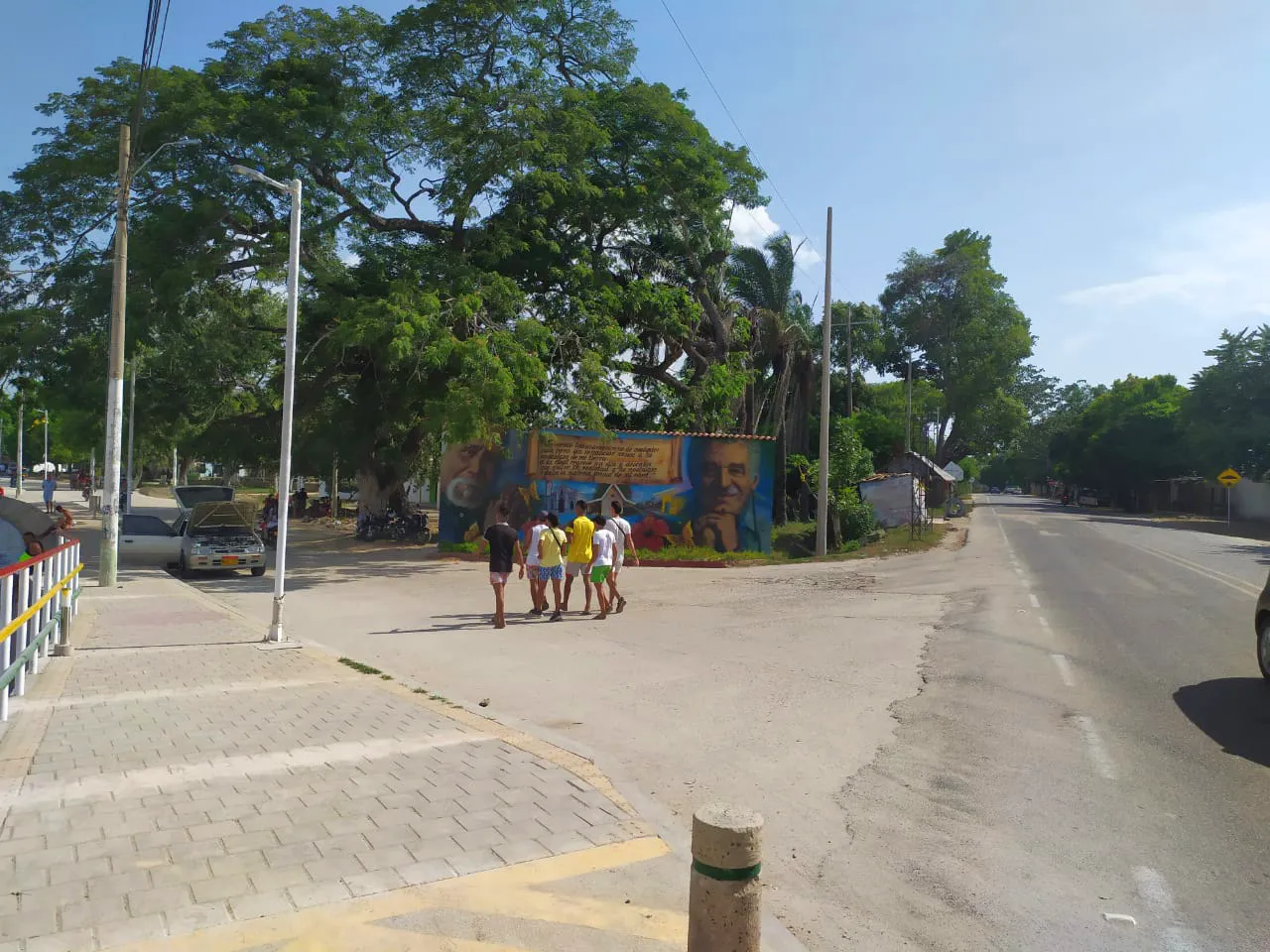
Definitely cotton clothing, very cool and breathable, garments made of lightweight fabrics. If you’re a woman, wear soft dresses, shorts, t-shirts, and flat sandals or preferably sneakers; if you’re a man, wear Bermuda shorts, sweaters, or even tank tops and guayaberas if you want to dress up for an evening.
In Aracataca everything is close by, but if you want a vehicle to get around, you’ll find motorcycle taxis or bicycle taxis for approximately $4,000 COP.