
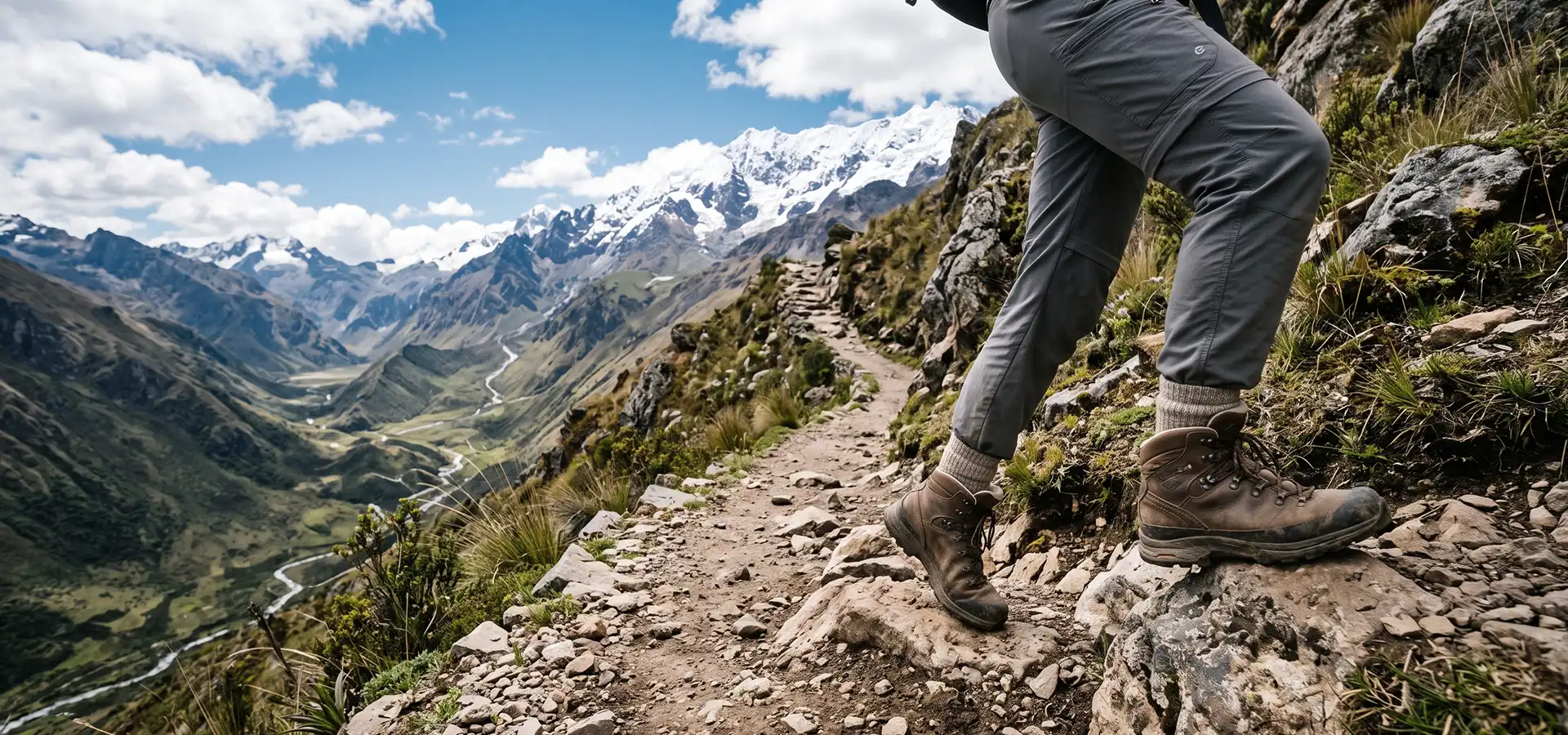
Some of the best hikes in the world are remembered for their landscapes, others for the physical effort they require, and some for the opportunity to experience a culture or a part of history that you would not encounter on a conventional visit.
Trekking has a particular appeal: the destination matters, but so does everything that happens between the starting point and the finish. Walking for several days means slowing down, crossing different landscapes, and adapting to the conditions of each place. Some routes involve sleeping in mountain huts, while others include nights at established campsites. In some, altitude is the main challenge, while in others, the terrain, weather, or length of the route tests each hiker’s endurance.
There is no single route that can be considered the best for every traveler. Some hikers may be looking for mountains and steep elevation gains, while others may prefer walking through the jungle, following a coastline, or exploring ancient trails shaped by centuries of history.
Trekking Destinations Around the World: Duration, Difficulty, and Best Time to Visit
The following table compares the duration, difficulty, altitude, and recommended season for each route.
| Route | Country | Duration | Difficulty | Maximum Altitude | Best Season |
|---|---|---|---|---|---|
| Lost City | Colombia | 4 – 5 days | Moderate – High | 1.200 msnm | December – April |
| O Trek, Torres del Paine | Chile | 9 days | High | 1.200 msnm | November – March |
| Kalalau Trail | Hawái | 2 days | Moderate | 610 msnm | April – October |
| Inca Trail | Perú | 4 – 5 days | Moderate | 4.215 msnm | May – October |
| Markha Valley | India | 6 – 7 days | Moderate | 5.200 msnm | Junio – Septiembre |
| Walkers’ Haute Route | France / Switzerland | 14 days | High | 2.987 msnm | July – September |
| GR20 | Córcega, France | 15 days | High | 2.607 msnm | Junio – Septiembre |
| Routeburn Track | New Zealand | 3 – 4 days | Moderate | 1.255 msnm | October – April |
| Gunung Rinjani | Indonesia | 2 days | Moderate | 3.726 msnm | April – October |
| Mount Kilimanjaro | Tanzania | 5 – 9 days | Moderate to High | 5.895 msnm | January – March / June – October |
The 10 Best Hikes in the World
There are thousands of hiking routes around the world, but some have become well-known among travelers looking for trekking experiences in different destinations. Below, we present a selection of 10 routes that stand out for their trails, landscapes, and distinctive features:
1. Trek to the Lost City in Colombia
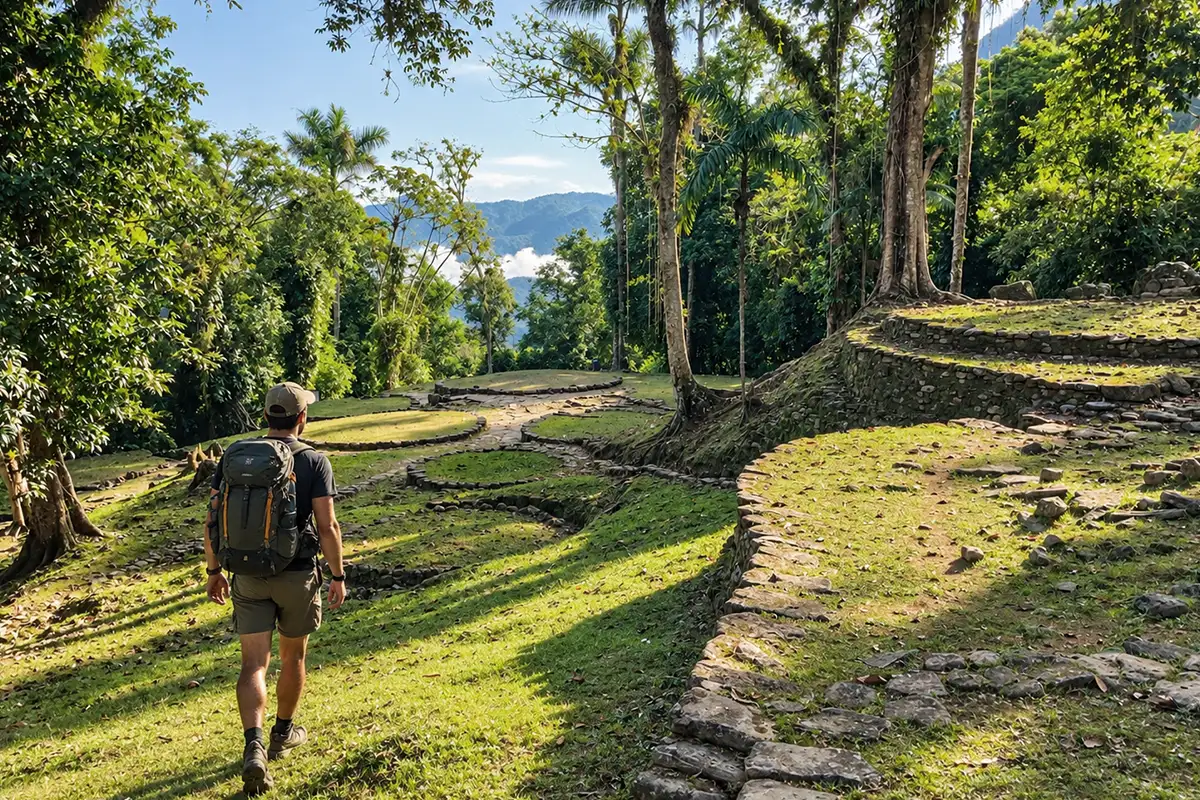 In the mountains of the Sierra Nevada de Santa Marta in Colombia, the trek to the Lost City of Teyuna combines tropical rainforest, mountain trails, archaeological ruins, and territories where Indigenous communities maintain an active relationship with their surroundings. The hike is usually completed in four to five days, starting near Santa Marta and following dirt trails, river crossings, tropical vegetation, and small settlements before reaching the archaeological site.
The route covers approximately 60 km (37 miles) round trip. One of the most distinctive parts of the trek comes at the end of the climb, when around 1,200 stone steps lead to the terraces of Teyuna. The site preserves circular platforms, pathways, and water channels that provide insight into the organization of this ancient settlement. Unlike other major mountain routes, altitude is not the main challenge here. Heat, humidity, steep climbs and descents, and several hours of walking each day are all part of the trek.
That is perhaps one of the reasons why the Lost City deserves a place among the world’s notable trekking routes: the experience is not only about reaching an archaeological site. The journey itself is a fundamental part of the experience.
2. Torres del Paine, Patagonia, Chile
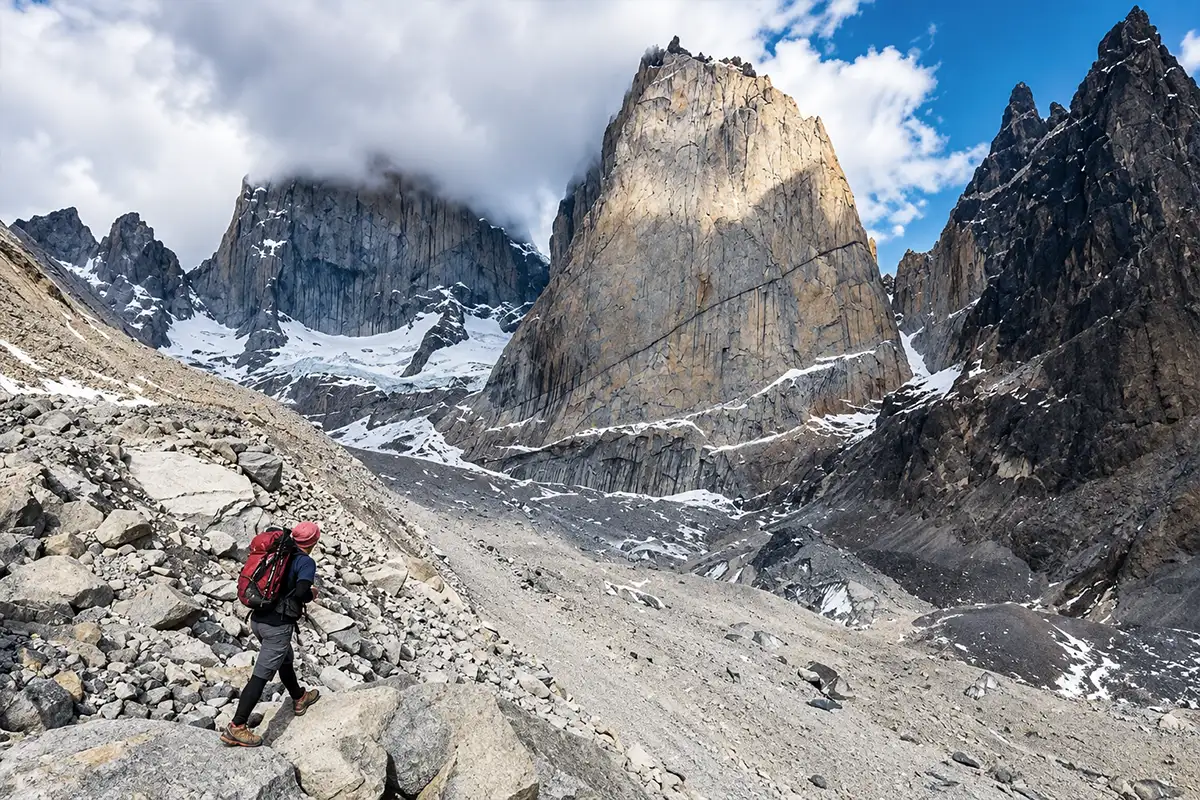 Torres del Paine National Park is one of the main trekking destinations in Patagonia. Its O Circuit covers much of the park and takes hikers through landscapes ranging from forests and lakes to glaciers and mountains. The circuit is approximately 136 kilometers (85 miles) long and usually takes around nine days to complete. Along the route, hikers encounter lakes, forests, rivers, mountains, valleys, and Grey Glacier.
One of the defining features of the O Trek is its variety. You are not walking for days through the same type of landscape. The conditions and surroundings change as you progress along the circuit. Planning is important, especially during the peak season. Campsites and mountain refuges have limited capacity and should be booked in advance. For those looking for a multi-day trek in Patagonia, the O Trek offers a way to experience Torres del Paine from a broader perspective.
3. Kalalau Trail, Hawái
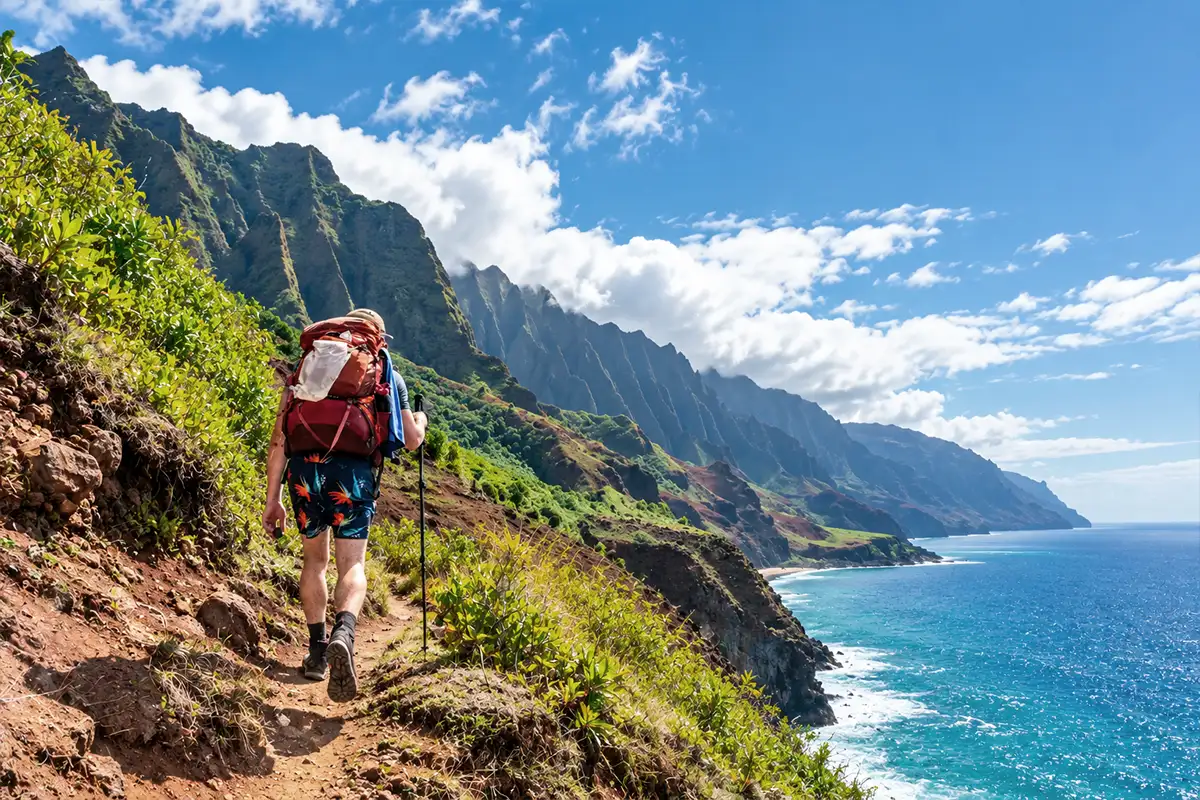 On the northern coast of the island of Kauaʻi, the Kalalau Trail offers a hiking experience that differs from most of the treks on this list. There are no major summits or alpine passes here. Instead, the trail follows the mountainous Nā Pali Coast through cliffs, tropical vegetation, valleys, and open views of the Pacific Ocean.
The full round trip covers approximately 36 kilometers (22 miles) and can be completed in two days, although the terrain means it should not be taken lightly. The combination of mountains and ocean is what sets this trail apart. Within just a few kilometers, the route shifts from vegetation-covered paths to open sections along the Hawaiian coast.
4. Inca Trail, Peru
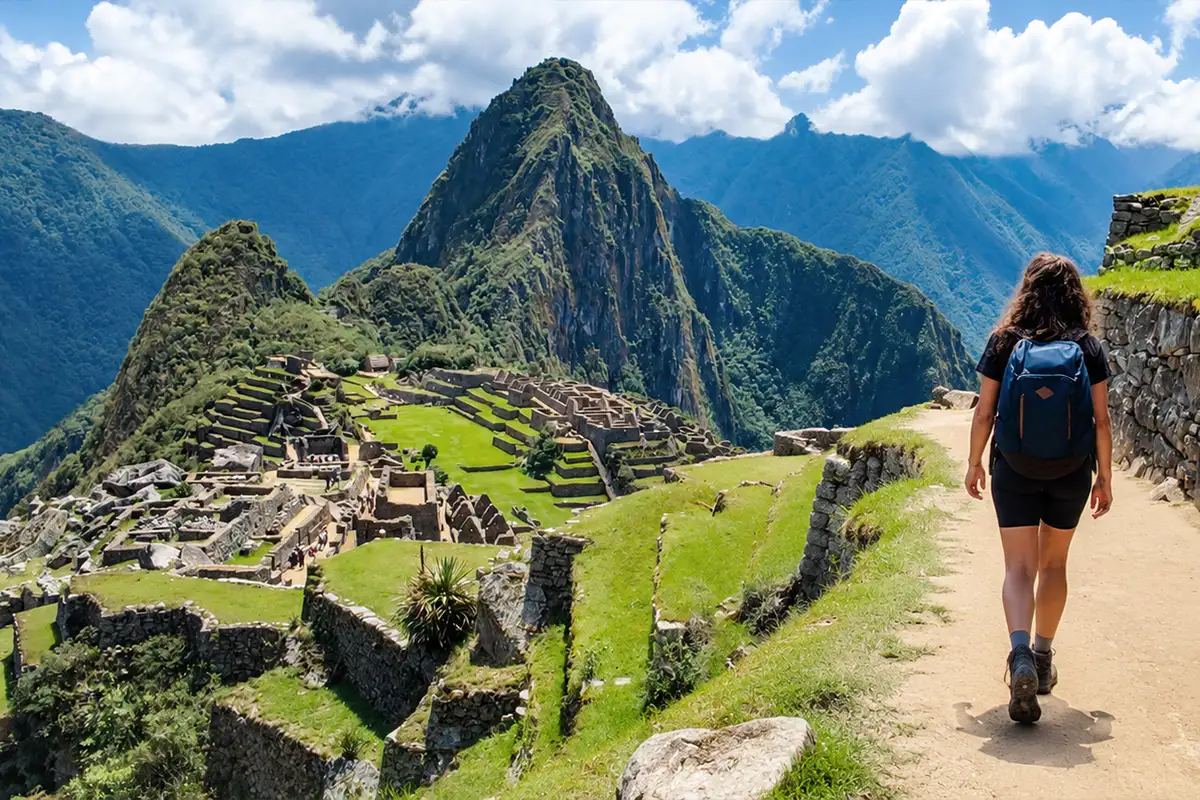
The Inca Trail is one of the best-known trekking routes in South America and one of the traditional ways to reach the archaeological site of Machu Picchu. The trail follows ancient paths built during the Inca period and crosses different landscapes in the Andes before reaching the citadel.
The classic route is around 33 kilometers (20.5 miles) long and usually takes four or five days to complete, although some itineraries can extend the experience. Along the way, hikers cross mountains, cloud forests, and several archaeological sites that were part of the ancient Inca road system. One of the most anticipated moments of the trek is reaching Intipunku, the Sun Gate, where hikers get their first view of Machu Picchu. Unlike arriving directly at the site by road or train, hiking the Inca Trail offers the opportunity to approach it along the same historic corridor that once connected different settlements in the region.
The popularity of this route has led to a permit system and daily visitor limits to control the number of people on the trail and help preserve both the path and the archaeological sites along the route. More than just a hike to Machu Picchu, the Inca Trail offers a way to understand how the landscape, roads, and settlements were connected during the Inca period.
5. Markha Valley, Ladakh, India
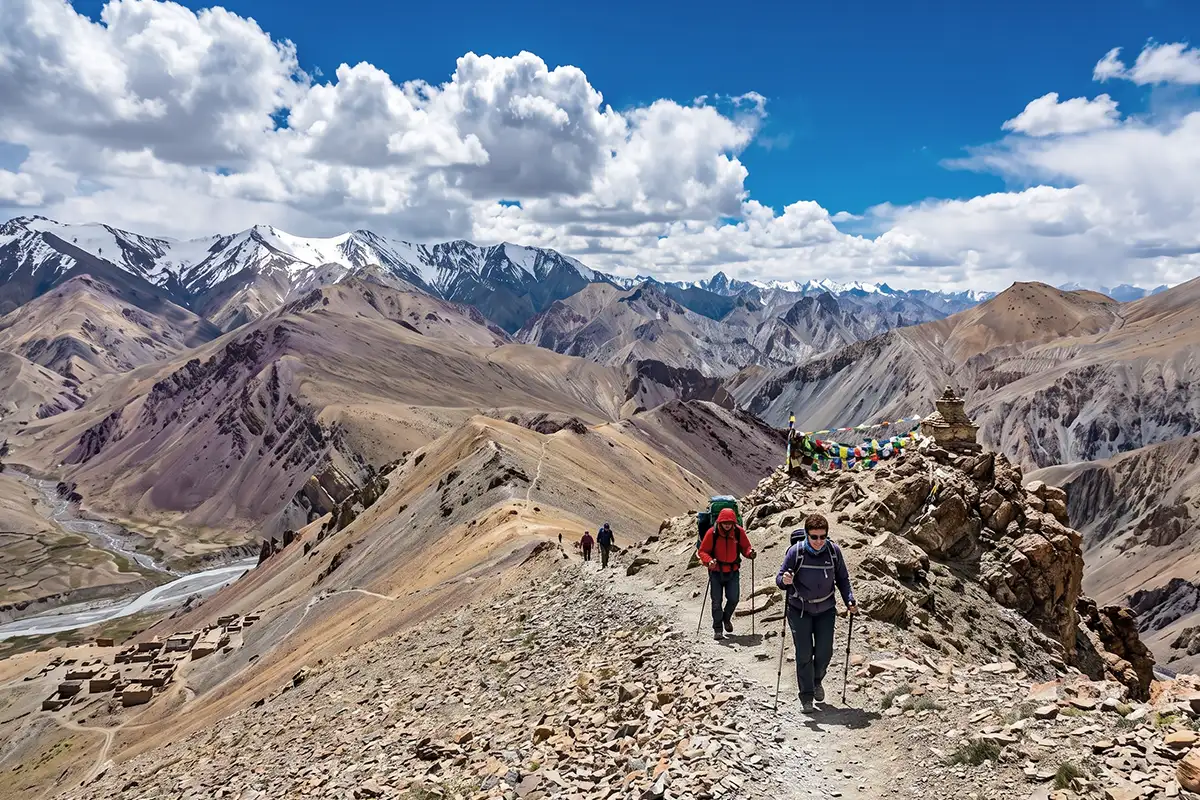 Ladakh lies in northern India, between the major mountain ranges of the Himalayas and the Karakoram. It is a dry region with high-altitude valleys and small villages, where Tibetan Buddhism is part of everyday life. The Markha Valley Trek is located in this area and offers hikers the opportunity to explore some of the region’s characteristic landscapes on foot. The trek covers around 80 kilometers (50 miles) and usually takes six to seven days.
The route starts near Leh and continues through valleys and mountain passes, passing villages, monasteries, and cultivated areas that contrast with the dry mountain terrain. Altitude is one of the main factors to consider. Some passes along the route rise above 5,000 meters (16,400 feet) above sea level, making proper acclimatization before starting the trek essential. Along the way, hikers also encounter small settlements and monasteries connected to Ladakh’s Buddhist tradition. The trek offers a chance to explore a Himalayan region where daily life is closely connected to the mountains and the conditions of high altitude.
6. Walker’s Haute Route, France and Switzerland
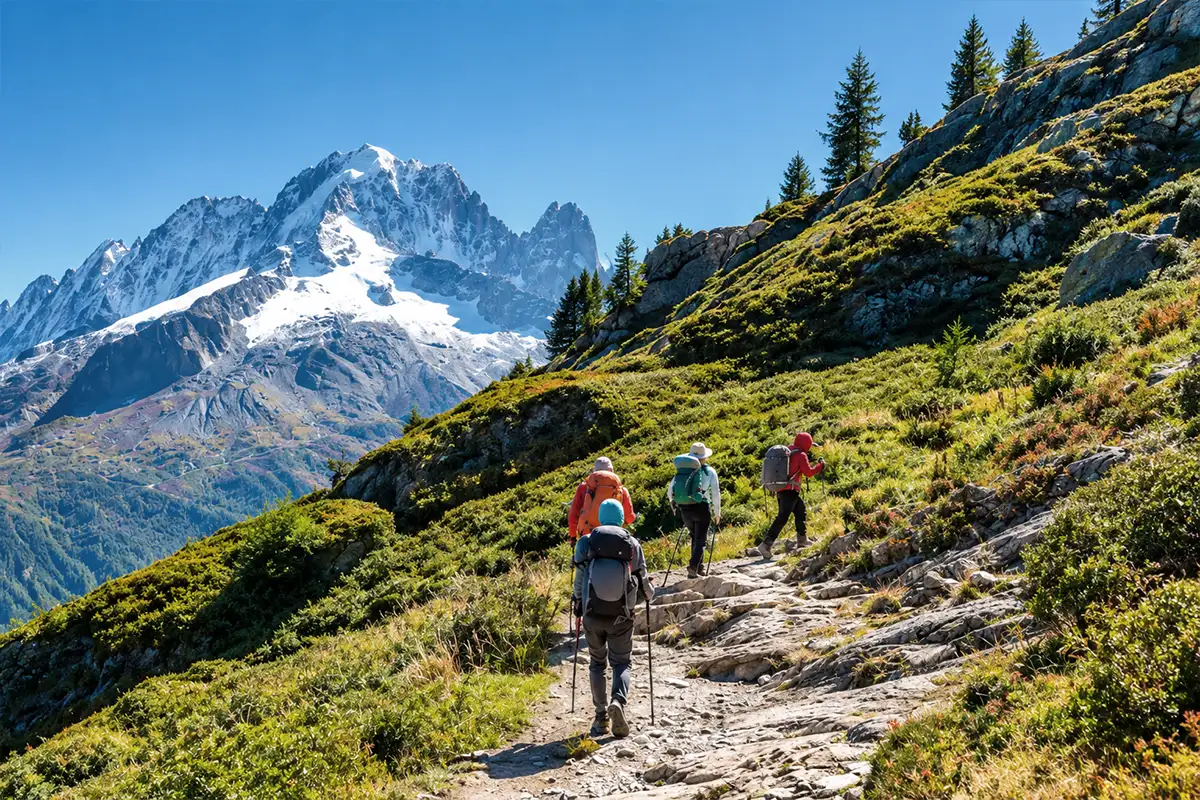
The Walker’s Haute Route connects Chamonix in France with Zermatt in Switzerland through the Alps. It is a long-distance trek that crosses valleys and different areas of high mountain terrain between two of Europe’s best-known Alpine destinations. The route covers around 200 kilometers (124 miles) and usually takes about two weeks to complete. Along the way, hikers cross several mountain passes and tackle significant elevation gains and losses, so good physical preparation and experience walking for several hours a day are important.
One of the features of the route is the range of accommodation options available along the way. Mountain huts and lodges allow hikers to plan each stage without relying entirely on camping, although advance planning is still important, especially during the busiest months. The landscape changes as the trek progresses, moving through alpine meadows, valleys, rocky terrain, and sections where glaciers and higher mountains come into view.
Rather than focusing on a single point of interest, the Walker’s Haute Route offers the opportunity to spend several days crossing the Alps and experience how the landscape changes between Chamonix and Zermatt.
7. GR20, Córcega, France
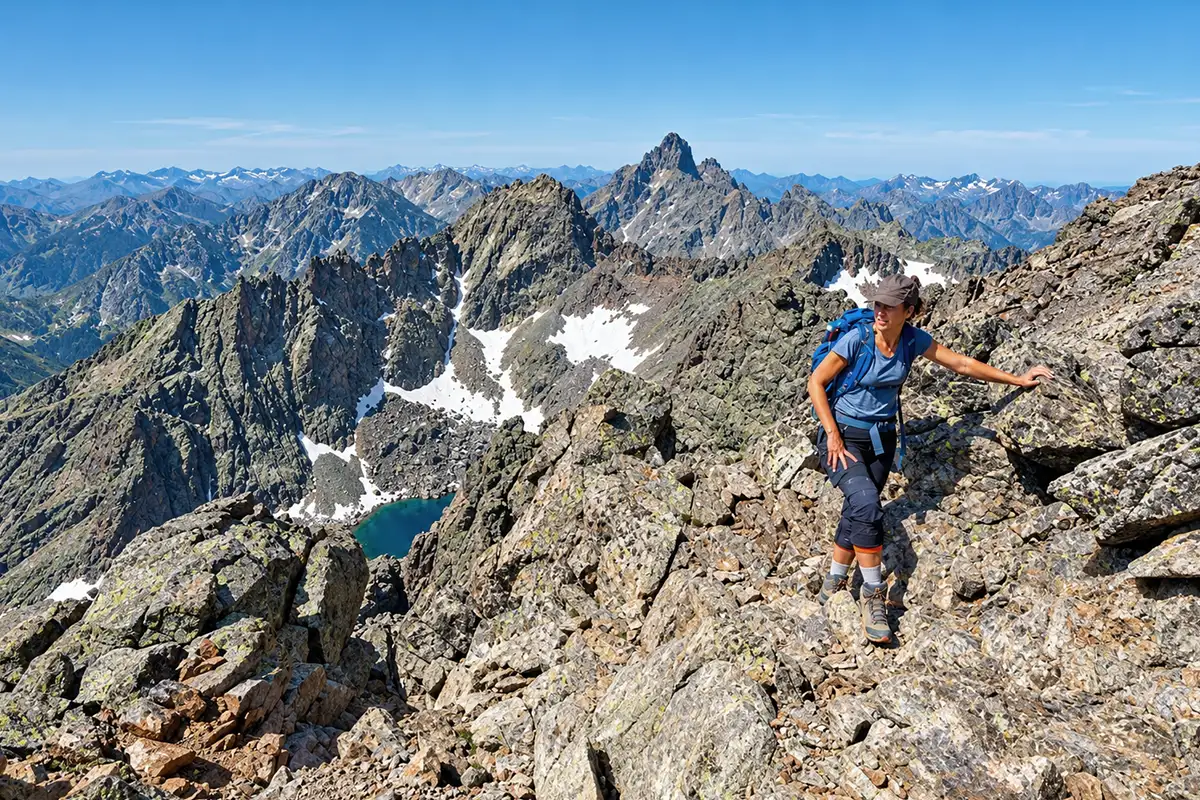 Corsica, France, is home to the GR20, one of Europe’s best-known long-distance trekking routes. The trail crosses the mountainous interior of the island between Calenzana in the north and Conca in the south, covering around 168 kilometers (104 miles) and usually taking about 15 days to complete.
As the route progresses, the landscape changes from forests and valleys to glacial lakes, rocky terrain, ridges, and mountain passes. The terrain is an important part of the trek, combining steep slopes, rocky sections, and stretches where careful footing is needed, especially on the more demanding stages. Because of its length and terrain, the GR20 requires good physical preparation to handle several consecutive days of hiking.
Rather than a route to complete quickly, it is a trek designed to cross Corsica on foot and explore the island’s interior, following an itinerary where the landscape changes with each stage.
8. Routeburn Track, New Zelanda
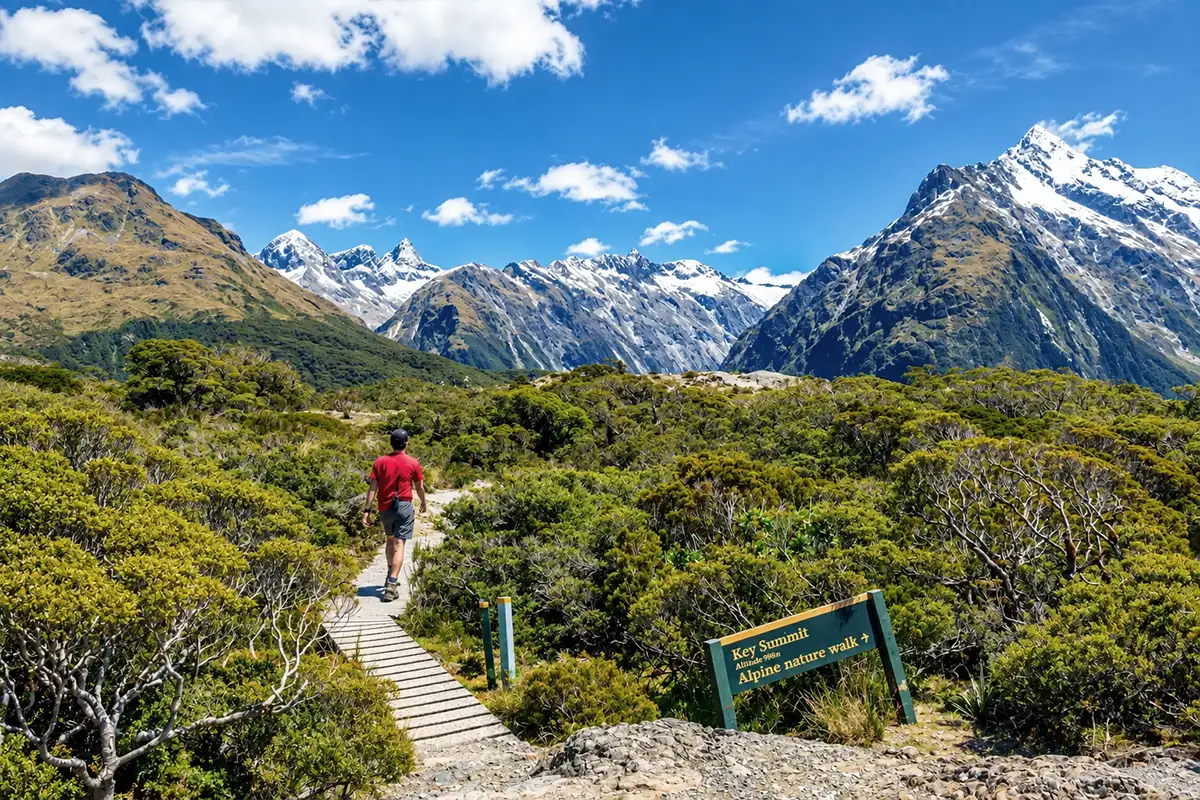 New Zealand’s South Island is home to some of the country’s main mountain landscapes, and the Routeburn Track offers a multi-day way to explore part of this region. The trail connects areas of Fiordland and Mount Aspiring National Parks, crossing valleys, forests, lakes, and mountain terrain along approximately 32 kilometers (20 miles).
The trek usually takes three or four days to complete, and one of its best-known points is Harris Saddle, a mountain pass with views across the surrounding valleys and mountains. As the trail progresses, the landscape changes from forested areas to higher-altitude terrain and open mountain sections, giving the route plenty of variety despite its relatively short distance. Although it is shorter than some of the other routes in this selection, advance planning is important.
The huts and campsites have limited capacity, and spaces can fill up during the peak season, so it is advisable to book accommodation before starting the trek.
9. Gunung Rinjani, Indonesia
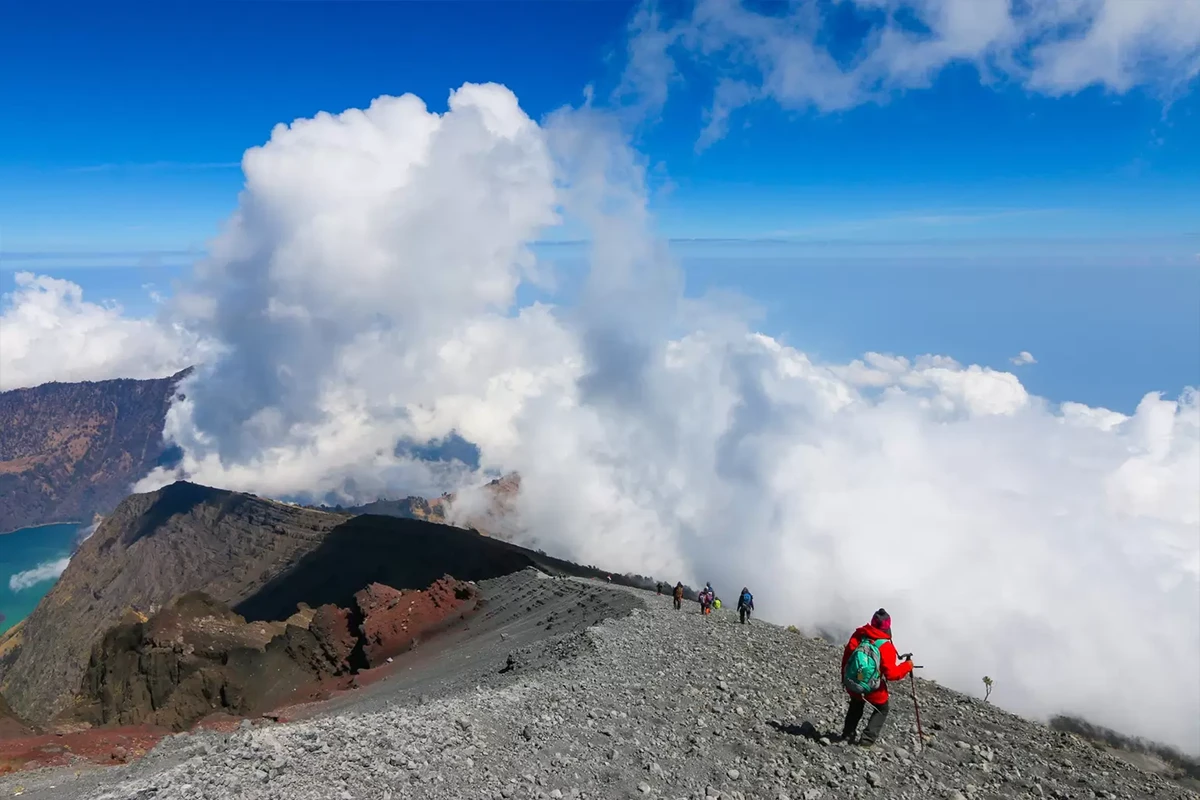 Lombok Island is known for its beaches and coastal landscapes, but inland lies Mount Rinjani, a 3,726-meter (12,224-foot) volcano that dominates much of the island and is one of Indonesia’s main trekking destinations. The ascent routes cross different sections of the mountain and reach the summit and crater area on itineraries that can take around two days, although longer options are also available.
One of the most recognizable features of Rinjani is Segara Anak, the lake that occupies part of the volcanic crater. The trail combines mountain paths, volcanic terrain, and steep slopes, making elevation gain an important part of the ascent, especially on the sections leading to the higher areas. One of the distinctive aspects of the summit trek is that the final stage usually begins in the early hours of the morning.
Hiking in the dark allows trekkers to reach the higher sections around sunrise, when the first light begins to reveal the volcano, crater, and mountains surrounding Lombok. In this way, the ascent itself becomes part of the experience rather than simply a means of reaching the summit.
10. Mount Kilimanjaro, Tanzania
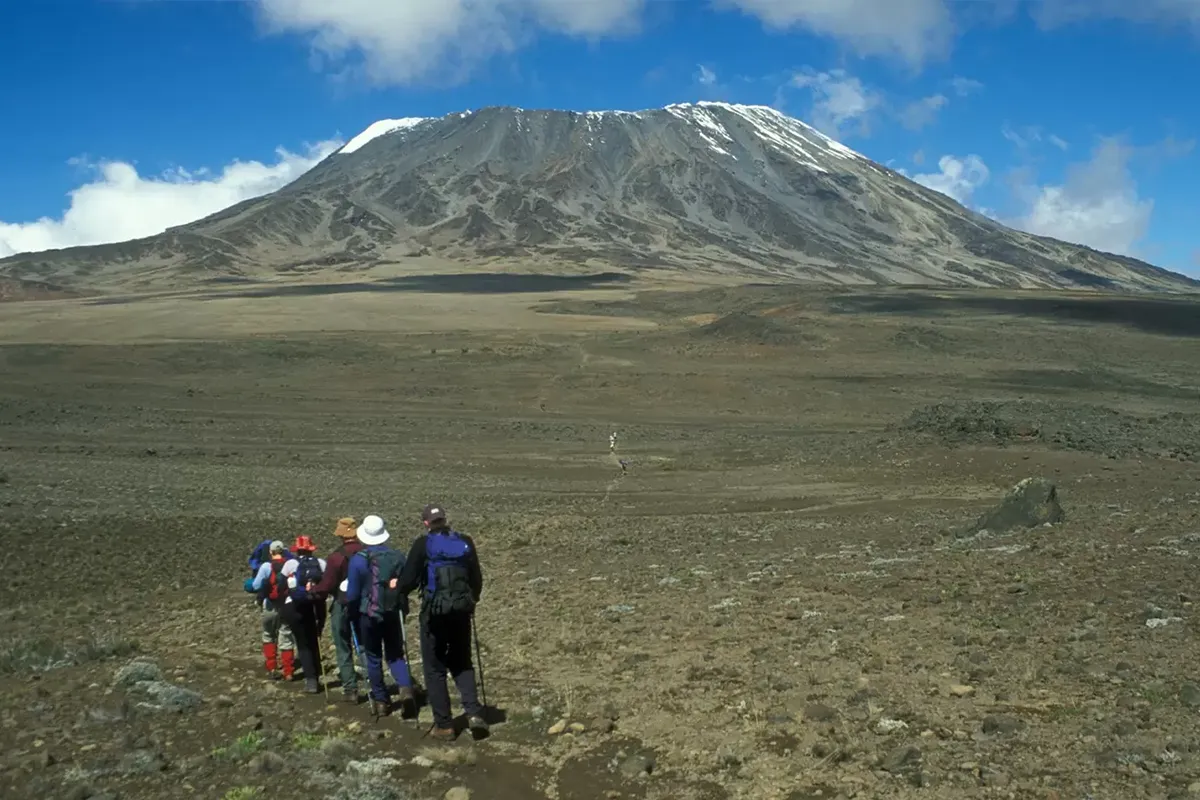 Mount Kilimanjaro is located in northern Tanzania and, at 5,895 meters (19,341 feet), is the highest mountain in Africa. The ascent takes hikers within a few days from the vegetation surrounding the mountain into a high-altitude environment, with the landscape changing as the elevation increases. There are several routes to reach the summit, and depending on the itinerary, the trek can take between five and nine days.
Along the way, hikers pass through different ecological zones, from forest and mountain vegetation to drier, rocky terrain before reaching the areas near the summit. Altitude is one of the main factors affecting the ascent, especially during the final stages. For this reason, itineraries are usually spread over several days to allow for gradual acclimatization, while the daily hiking distances and constant changes in elevation are important factors to consider when planning the trek.
More than a hike focused solely on reaching 5.895 meters, Mount Kilimanjaro allows hikers to experience a wide transition of landscapes and ecosystems in just a few days, showing how the mountain changes from its lower slopes to the summit.
What Do These Hiking Routes Have in Common?
Although these ten routes have very different characteristics, they all require more than simply wanting to hike. Duration, weather, terrain, and logistics can vary considerably from one destination to another. The Lost City Trek Colombia takes place in a tropical and humid environment.
The O Trek and the Inca Trail cross different landscapes in South America, while the Kalalau Trail combines mountains and coastline. In Europe, the Haute Route and GR20 involve several days of trekking through mountainous terrain. Markha Valley and Rinjani introduce very different altitude and terrain conditions, while Mount Kilimanjaro takes hikers to one of the highest elevations reached on a trekking route in Africa.
These routes also differ in how the trip needs to be organized. Some have mountain huts and accommodation along the way, while others rely more heavily on campsites and advance planning. For this reason, choosing a trek should not depend solely on which route appears on a list. It is important to consider how much time is available, what type of terrain you want to explore, and what level of preparation each itinerary requires.
In the end, a good trek does not necessarily have to be the longest or the one that reaches the highest altitude. It can simply be the one that best matches what each traveler hopes to find when choosing a trail over a paved road.